


Hebei Fengchao Import and Export Co., Ltd. is one of the most reliable manufacturers and suppliers of gas calcined anthracite in China. With a professional production team, we are able to meet the needs of the majority of our customers. If you're going to wholesale bulk gas calcined anthracite made in China, welcome to get pricelist from our factory.
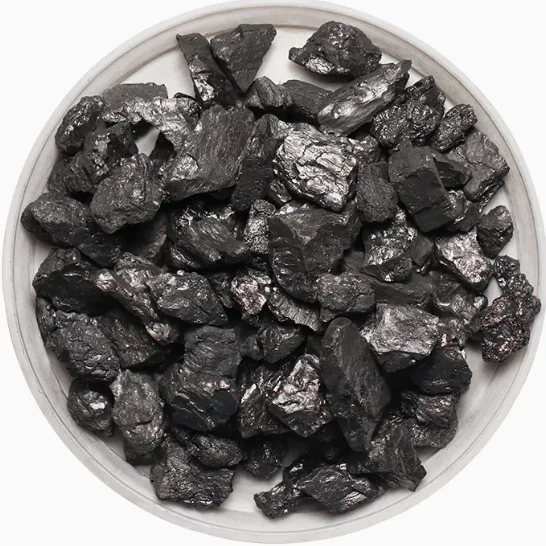
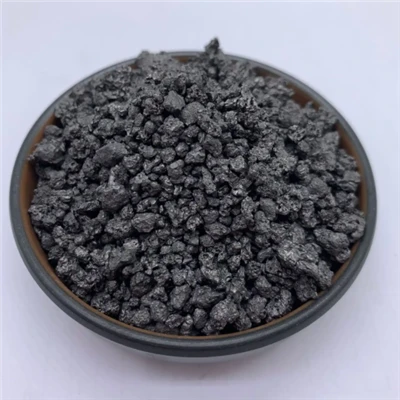
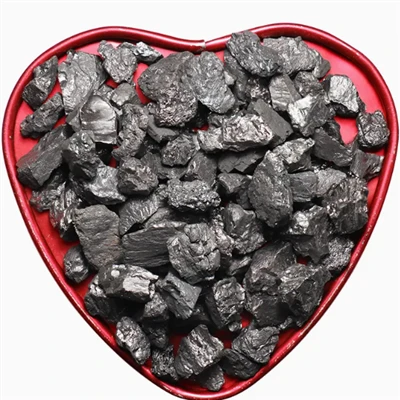
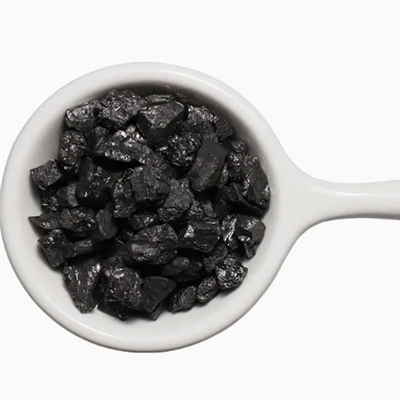
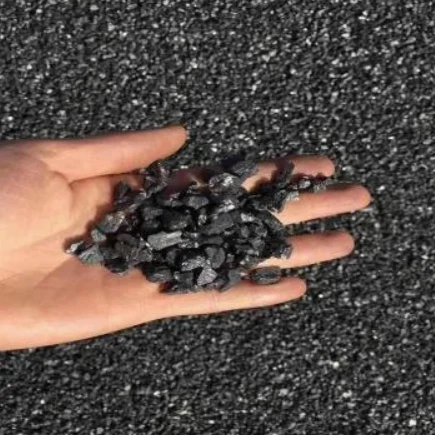
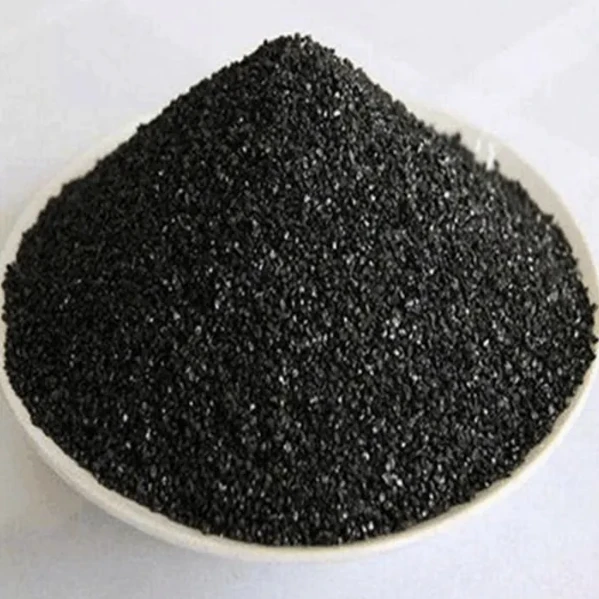
Gas-calcined anthracite (GCA) is produced from premium raw coal through mild and uniform calcination in gas-fired kilns. It retains intact lump size after calcination with extremely low volatile matter. Compared with electrically calcined anthracite, it maintains stable chemical indicators while offering favorable cost advantages. This carbon material can be used as a raw material for electrode paste formulation, ferroalloy smelting and carbon replenishment for steelmaking furnace charges, helping manufacturers balance raw material input costs and ensure stable operation of smelting furnaces.
Gas-calcined anthracite (GCA) is manufactured by calcining high-quality lumpy anthracite in a gas-fired rotary kiln. Volatile components are gradually removed via slow and uniform heating to avoid severe thermal shock to the coal matrix. The product boasts good fixed carbon content and moderate resistivity. Although its resistivity performance is inferior to that of electrically calcined anthracite, it serves as a cost-effective alternative for carbon processes without stringent requirements. Gas-calcined anthracite is widely applied in submerged arc furnace electrode paste, ferroalloy smelting charges, carbon filler for refractory bricks and conventional steelmaking recarburization, meeting bulk raw material demands of ferroalloy plants and carbon material manufacturers.
High-density lumpy anthracite is selected as feedstock and sent to a gas-fired rotary kiln for gradient heating gas calcination, followed by staged crushing and screening. Small lumps generated from screening are separately categorized and directly supplied for ferroalloy smelting, rather than blended into lump finished products. The company's technical team focuses on tuning the heating curve and kiln atmosphere of gas-fired kilns to reduce risks of local over-calcination or under-calcination during calcination. An independent transit stockyard for GCA finished products is built on-site with rainproof covering for storage, delivering bulk supplies to enterprises engaged in ferroalloy and carbon paste production. In addition to conventional system certifications, special tests for resistivity and volatile matter are carried out. Samples are retained and filed for each batch. For export orders, on-site sampling and inspection by third parties can be arranged to strictly control gangue inclusion content in finished goods and guarantee uniform and stable indicators across the whole shipment.
Factory Tour
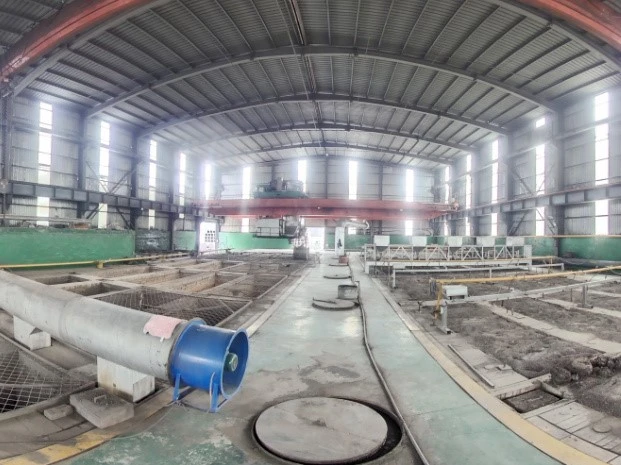
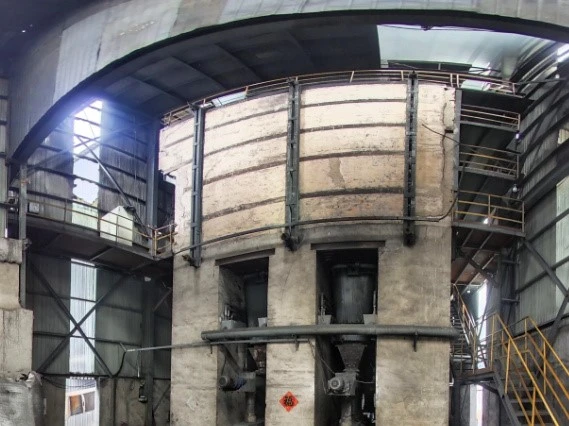
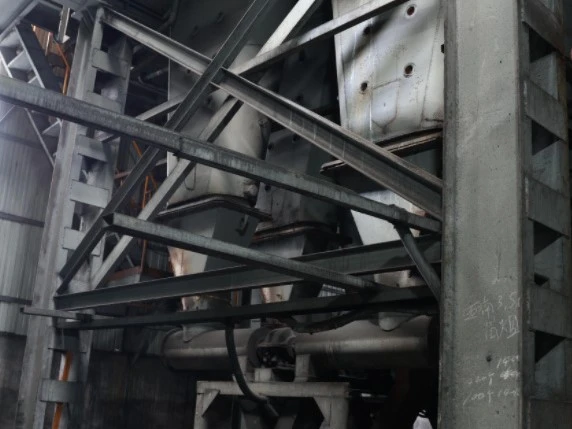
FAQ
Q: What are the core differences between gas-calcined anthracite (GCA) and electrically calcined anthracite?
A: The biggest distinction lies in calcination heat source and final resistivity. Gas calcination adopts indirect heating by gas flame with a slightly lower overall calcination temperature and higher resistivity. Electric calcination relies on self-resistance heating, achieving higher calcination temperature and lower resistivity. Electrically calcined anthracite is preferred for high-grade electrode paste production, while GCA is an economical option for ferroalloy furnace charges and general electrode paste.
Q: A small amount of gangue impurities are occasionally found when purchasing GCA lumps. What is the cause and how is it controlled?
A: Raw coal naturally contains associated gangue, and trace residues may remain even after screening. Manual sorting and screening procedures are implemented before and after calcination. You may specify the maximum allowable gangue proportion when placing orders, and re-sorting will be performed prior to delivery to minimize the risk of gangue contamination.
Q: Is partial under-calcination or over-calcination prone to occur in the gas calcination process? What impacts will this bring?
A: A temperature gradient exists inside the gas-fired rotary kiln. Improper control will result in under-calcination or over-calcination. Under-calcined material features high volatile matter and tends to generate sharp surges of flue gas once charged into submerged arc furnaces; over-calcination makes lumps porous and fragile. We continuously adjust the heating curve inside the kiln to minimize indicator fluctuations within each batch.
Q: When finished GCA lumps are stored in simple open stockyards, what adverse effects will rainwater exposure bring to subsequent application?
A: Tiny pores exist inside the lumps, which absorb moisture after rain soaking. If fed directly into furnaces for smelting, rapid vaporization of moisture may easily cause furnace splashing. Long-term open-air stacking is not recommended. Transfer the material to rainproof warehouses upon arrival. Pre-drying is advised before feeding if the material has already been wetted.
Q: GCA can either be crushed into various particle sizes or supplied as original calcined lumps. Will crushing trigger obvious changes in resistivity?
A: Crushing only alters physical particle size and does not change the crystal structure formed during calcination, so resistivity will not undergo substantial changes. Nevertheless, crushing creates numerous new edges and corners, which merely modify packing conditions without affecting physicochemical indicators. Delivery particle size can be selected according to project requirements.
Hot Tags: gas calcined anthracite, China gas calcined anthracite manufacturers, suppliers, factory