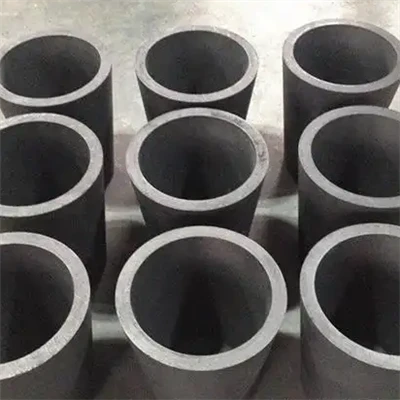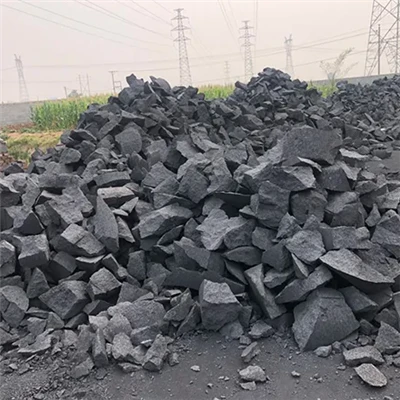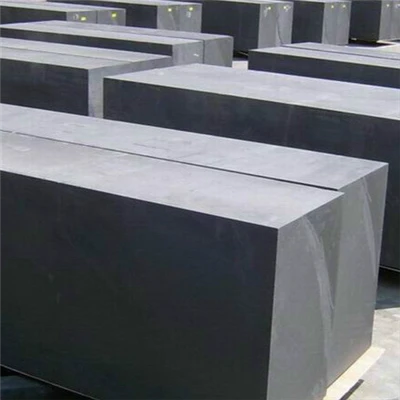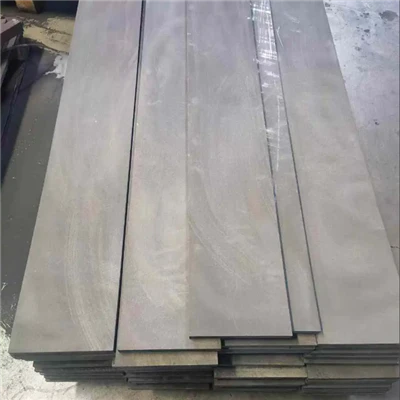


The graphite carburizer process mainly involves adding graphite carburizing material to high-temperature molten metal through stages such as storage, quantitative feeding, material conveying, and feeding control, so that the carbon content of the molten metal meets production requirements. This process is widely used in cast iron, steelmaking, and other metal smelting processes. Specific operating methods are adjusted according to equipment structure, graphite particle size, and molten metal composition requirements. Before formal production, it is necessary to check the fixed carbon content, particle size, and moisture content of the graphite carburizing material, and simultaneously confirm that the storage device, feeding mechanism, and conveying pipeline are operating normally. The graphite material should be kept dry, avoiding the introduction of moisture, oil, and other impurities. For equipment using automated control, it is also necessary to pre-set the feeding rate and speed to ensure stable operation according to process requirements and reduce material loss during the feeding process.
First, the graphite material is added to the equipment's storage device. Then, the output of the material is controlled by a screw feeder, vibrating feeder, or other quantitative mechanism. Subsequently, the graphite enters the feeding position via a conveying device and is added to the molten metal according to the set method. Carbon in graphite needs to undergo wetting, dissolution, and mass transfer processes to enter the molten metal. Therefore, the carbon enrichment effect depends not only on the amount added but also on the temperature of the molten metal, graphite particle size, material purity, stirring conditions, and contact time. If the graphite particles are too large, it may affect the carbon dissolution rate; if the powder is too fine, it may increase the risk of dust diffusion and material burn-off. To improve carbon absorption efficiency, the graphite particle size and feeding method should be rationally selected according to actual production conditions, and excessive material should be avoided at one time. For production lines requiring continuous carbon enrichment, the feeding rate should be kept stable to prevent fluctuations in the molten metal composition due to material supply interruptions or uneven feeding.
The molten metal should be sampled and tested. Based on the test results, it should be determined whether the carbon content meets the target requirements, and the subsequent feeding amount should be adjusted according to the actual situation. During production, the amount of graphite carbon enrichment agent used, the amount of molten metal processed, temperature changes, and the final carbon content should also be recorded to analyze carbon enrichment efficiency and optimize process parameters. After equipment operation, residual graphite in the silos, feeding mechanisms, and conveying pipelines should be cleaned promptly. Vulnerable parts and sealing structures should be inspected to prevent residual material accumulation from affecting subsequent production. Since graphite dust can form combustible dust clouds under certain conditions, the production site should implement closed-loop conveying, ventilation and dust removal, and ignition source management. When dealing with high-temperature molten metal, the dryness of the carburizing materials and tools must be strictly controlled to prevent moisture from entering the molten metal and causing splashing accidents. By standardizing raw material management, rationally controlling feeding parameters, and regularly maintaining equipment, the stability of the graphite carburizing process can be improved, material waste reduced, and the composition and quality of metal products guaranteed.