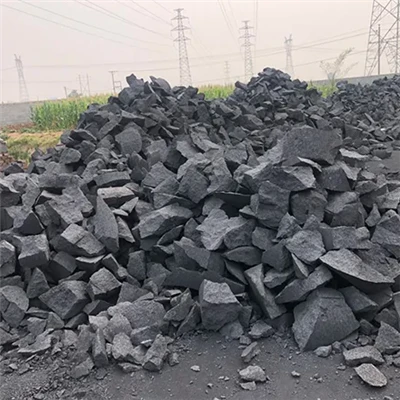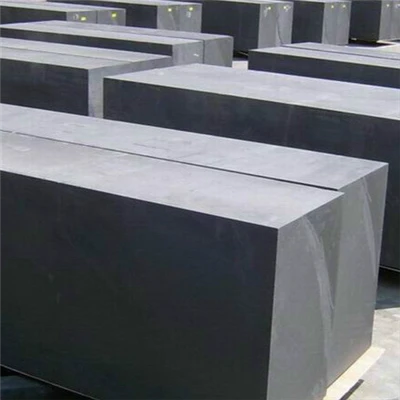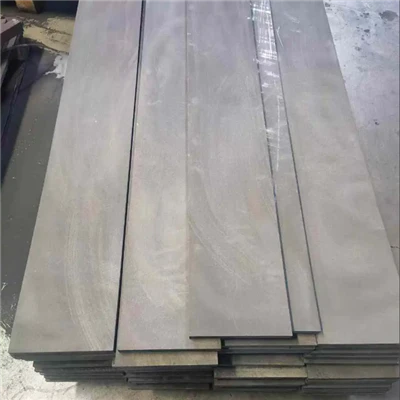


The name "graphite" originates closely from its physical characteristics and ancient people's understanding of minerals. The "stone" in "graphite" refers to its status as a natural mineral, possessing the basic characteristics of a stony material; the "ink" relates to its blackish-gray appearance and its ability to leave black marks on surfaces. Graphite is typically grayish-black to steel-gray, with a metallic or earthy luster, and a relatively soft texture, easily leaving a grayish-black mark when touched. It was precisely because of this resemblance in color to ink used for writing and painting that people gradually associated this natural mineral with "ink," thus forming the name "graphite." Literally, "graphite" highlights its material properties as a natural mineral and vividly reflects its color and usage characteristics, reflecting the ancient custom of naming minerals based on their appearance, texture, and practical uses.
From a historical perspective, the formation of the name "graphite" is also related to humanity's long-term use of black minerals. In ancient times, people discovered that certain black minerals could be used for marking, painting, and writing, and graphite, due to its distinct color, soft texture, and ability to leave clear marks on paper or other materials, gradually attracted attention. As people's understanding of this material deepened, the uses of graphite expanded from simple drawing and marking to later fields such as pencil manufacturing, refractory material production, lubrication, and metallurgy. It's important to note that although graphite is commonly used to make pencil leads, the main components of pencil leads are actually graphite and clay, and do not contain metallic lead. With the development of modern mineralogy and chemistry, people further recognized that graphite is a natural crystalline form of carbon, belonging to a different structural form of carbon, similar to diamond and fullerenes. Therefore, the name "graphite" not only preserves people's early intuitive understanding of its color and uses but has also gradually become the standard name for this substance in modern mineralogy, reflecting the development of human understanding of natural minerals from empirical utilization to scientific knowledge.