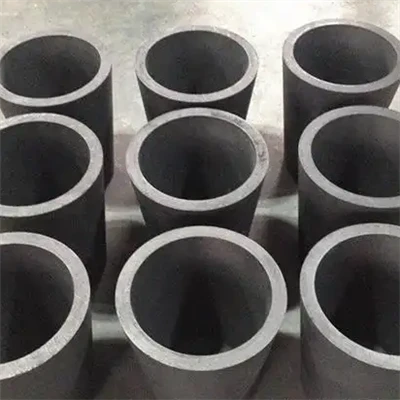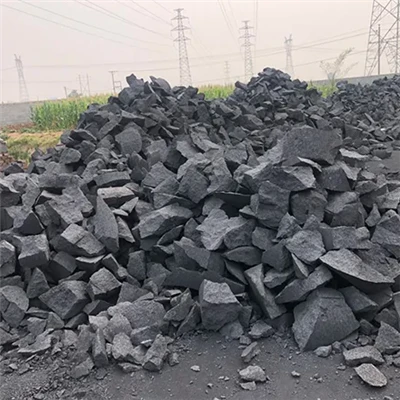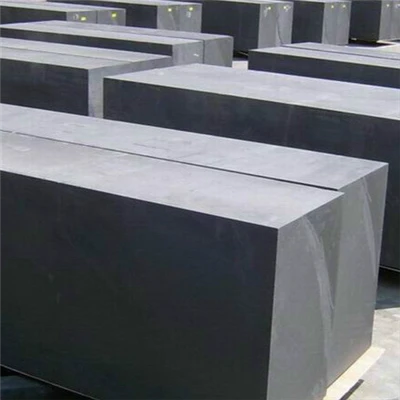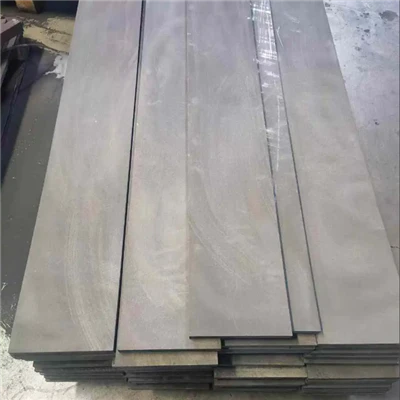


The storage of graphite requires management based on its physical properties, chemical stability, and the actual usage environment. Although graphite possesses good chemical stability and high-temperature resistance, it still needs to be protected against moisture, dust, contamination, and mechanical damage during storage. Generally, graphite raw materials and products should be stored in a dry, well-ventilated indoor environment, avoiding prolonged exposure to rain, humid air, or standing water to prevent affecting their performance. For powdered and fine-grained graphite, use well-sealed bags, drums, or dedicated containers to minimize dust diffusion and the introduction of external impurities. Block graphite, graphite electrodes, and other molded products should be placed on flat, stable shelves or pallets to prevent collisions, compression, and drops, thus preventing cracks, chipping, or breakage. Furthermore, graphite should be stored separately from other materials that are prone to contamination, especially for graphite products requiring high purity; contact with oil, metal powder, and other chemicals should be avoided as much as possible.
During warehousing management, appropriate protective measures should also be taken according to the specific type of graphite. The storage requirements for natural flake graphite, graphite powder, and high-purity graphite may differ. High-purity graphite requires special attention to prevent contamination from impurities, while graphite powder necessitates enhanced packaging sealing and dust control. Graphite dust, at certain concentrations, can form flammable dust clouds; therefore, large-scale dust dispersion should be avoided during storage and handling, and the material should be kept away from open flames, sparks, and other potential ignition sources. In areas handling large quantities of powder, appropriate ventilation, dust removal, and anti-static measures should be implemented based on risk assessments. Although graphite itself is generally non-flammable, fine powder may still pose a risk of dust combustion or explosion under certain conditions; the high-temperature resistance of the material should not negate relevant safety requirements. Furthermore, graphite should avoid being stored with strong oxidizers or other substances that may cause hazardous reactions; specific requirements should be based on the product safety data sheet. For graphite materials stored long-term, the packaging should be regularly inspected for damage, moisture, and surface contamination, and records of product batches, warehousing dates, and quality status should be maintained. By standardizing packaging, classifying and storing, and conducting regular inspections, the loss of graphite during storage can be effectively reduced, material quality can be maintained, and subsequent processing and use can be guaranteed.