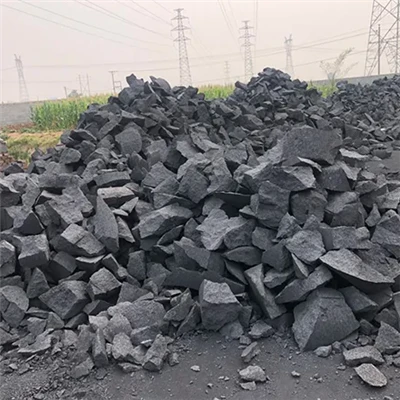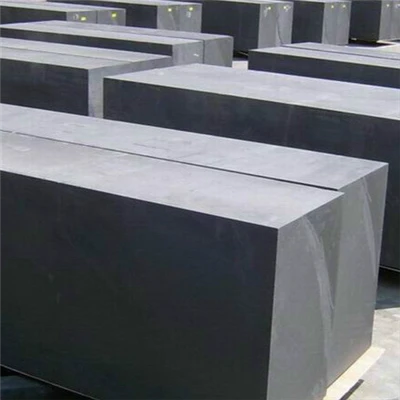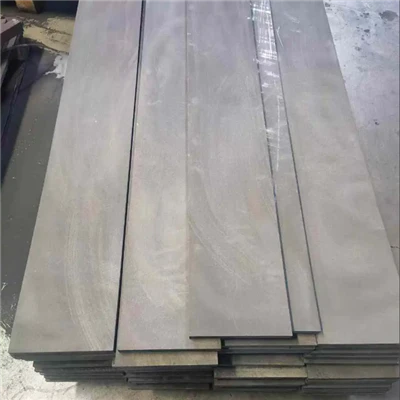


Graphite electrodes are primarily made from petroleum coke and needle coke as raw materials, with coal tar pitch as a binder. The process involves calcination, batching, mixing, molding, baking, graphitization, and machining. Antioxidant treatment is a subsequent deep processing step performed on the graphite electrode substrate manufactured using the above-mentioned general processes, aiming to improve its high-temperature oxidation resistance.
Antioxidant Coating Preparation: The coating method involves applying an antioxidant coating to the electrode surface. One type of high-temperature resistant antioxidant coating for graphite electrodes uses inorganic base material sodium silicate and inorganic fillers (such as clay, talc, and alumina) as its main components. During application, the coating must be thoroughly stirred and evenly brushed onto the electrode surface using a brush or roller. Typically, two coats are required, with a total thickness controlled to approximately 0.7 mm. Each coat must be allowed to dry and cure naturally. Because the coating itself is non-conductive, an area 2-3 cm wider than the conductive copper plate should be left uncoated on the side of the electrode to ensure conductivity.
Antioxidant Impregnation Preparation: The impregnation method involves allowing the antioxidant to penetrate into the interior of the electrode. The impregnation solution can be a borate solution or a nano-ceramic solution (a translucent blue liquid). The process involves impregnating the machined graphite electrode substrate under negative or pressure, allowing the impregnation solution to penetrate the electrode surface and internal micropores, followed by drying. After drying, a high-temperature resistant ceramic protective film forms on the electrode surface and within the micropores, effectively isolating air and delaying oxidation.
In addition, research is underway on the preparation of novel antioxidants, such as a superconducting graphite electrode nano-antioxidant. Its preparation involves mixing ceramic powder, graphene, and antioxidant auxiliaries (such as calcium boride, vanadium diboride, and sodium dihydrogen phosphate) according to a specific process.