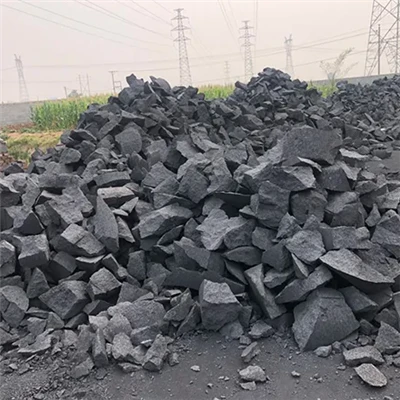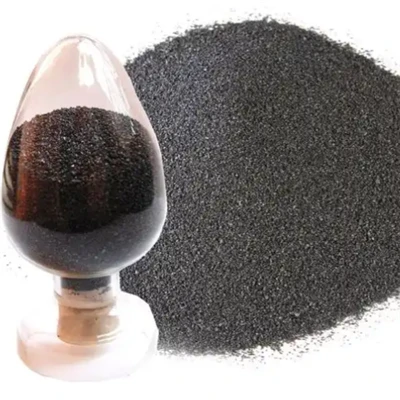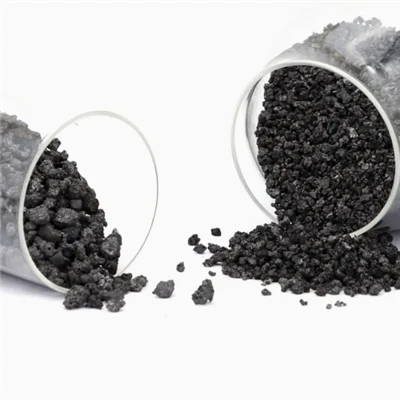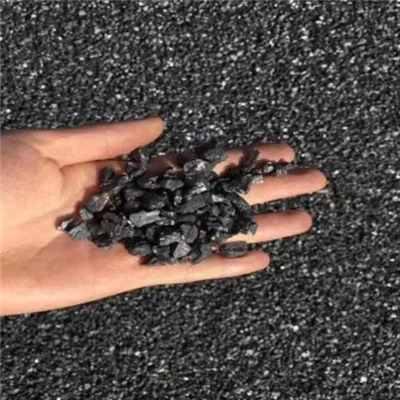



Hebei Fengchao Import and Export Co., Ltd. is one of the most reliable manufacturers and suppliers of amorphous graphite carburizer in China. With a professional production team, we are able to meet the needs of the majority of our customers. If you're going to wholesale bulk amorphous graphite carburizer made in China, welcome to get pricelist from our factory.
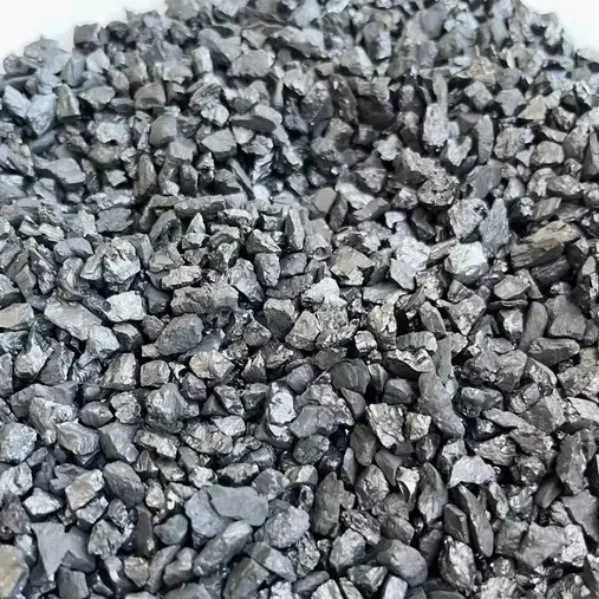
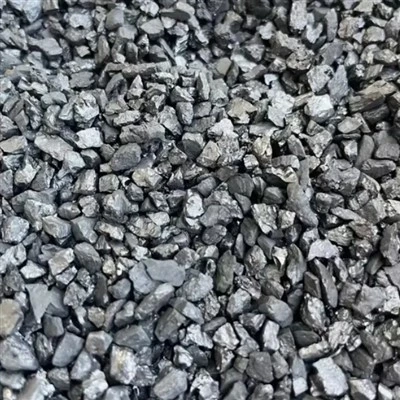
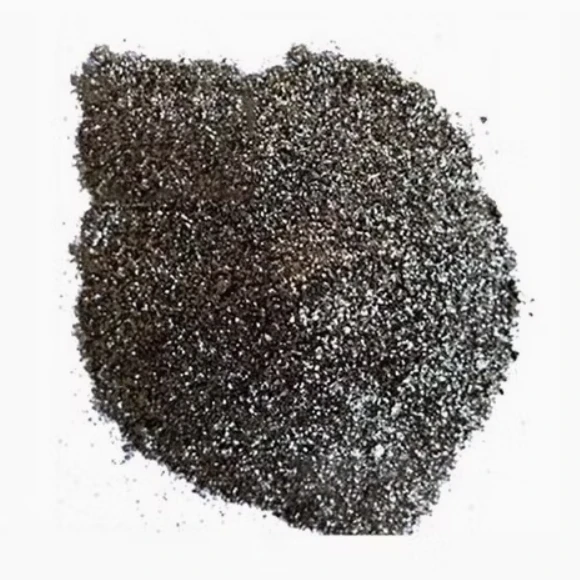
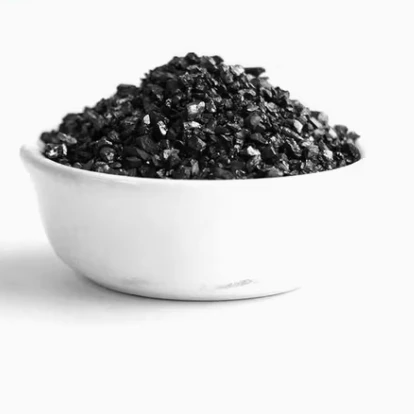
Amorphous (microcrystalline / earthy) graphite carburizer is made from natural microcrystalline graphite ore through crushing, screening and classification. Unlike large flake graphite, it is mainly composed of dense microcrystalline aggregates and releases carbon steadily while dissolving in molten iron. It delivers stable feeding performance and remarkable economic benefits. Suitable for primary carbon addition at the early melting stage of medium-frequency furnaces for standard-grade cast iron, it helps metallurgical and foundry customers cut bulk raw material expenditure and maintain stable continuous production in workshops.
Amorphous graphite carburizer adopts natural microcrystalline earthy graphite ore as raw material, manufactured by crushing, purification and particle size classification. Different from well-crystallized flake graphite, it consists of aggregated tiny graphite microcrystals. It does not deliver prominent flake crystal nucleation effects when dissolved into molten iron, and carbon is released gradually rather than abruptly. Although its fixed carbon content is generally lower than flake graphite products, this ore resource is abundant and offers obvious price advantages for bulk procurement. It is mainly used for primary carbon addition in medium-frequency furnaces for ordinary grey iron castings. Suited for mass production, it helps enterprises reasonably control overall raw and auxiliary material costs when stringent metallographic requirements for castings are not mandatory.
This product is produced from natural earthy microcrystalline graphite raw ore via crushing, sorting, purification to remove part of gangue, followed by screening and classification. The mineral exists as agglomerated fine graphite microcrystals without large flake structures. It dissolves and releases carbon steadily in molten iron and lacks the strong nucleation effect unique to flake graphite. The production technical team manages ore beneficiation and purification processes to stably control fixed carbon, ash and volatile matter indicators. A separate storage zone is set up, segregated from flake graphite and synthetic graphite to avoid cross-contamination of different carbon raw materials. It mainly supplies large-scale foundry production lines for ordinary grey cast iron. Besides routine physicochemical analysis, particle size screening tests are carried out. Samples are retained for each batch, and third-party sampling and testing are available for export orders. It is suitable for primary carbon addition during cold burden charging in medium-frequency furnaces. In the production of ordinary castings with loose metallographic requirements, it fully leverages raw material price advantages and effectively reduces bulk consumption costs of raw and auxiliary materials for foundries.
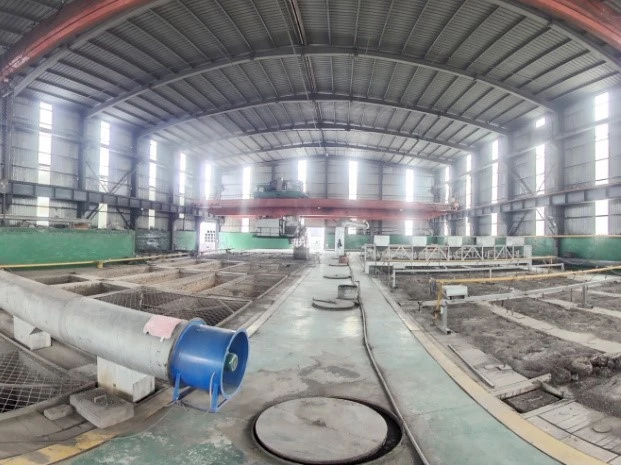
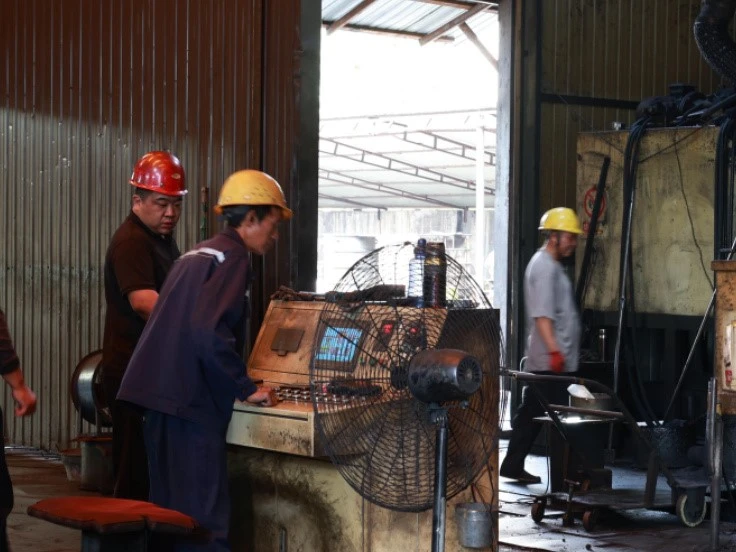
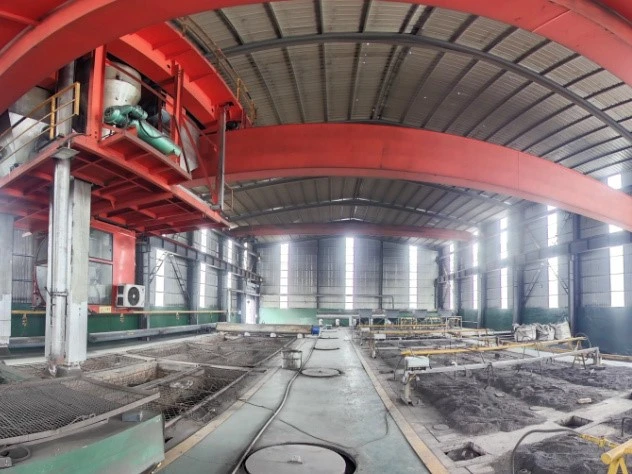
Factory Tour
FAQ
Q: What are the primary differences between amorphous graphite carburizer and flake graphite carburizer in casting and metallurgical applications?
A: Amorphous graphite features a microcrystalline agglomerated structure with no large flakes. It provides almost no beneficial graphite nucleation effect after dissolving into molten iron. In contrast, flake graphite can act as nucleation substrates with intact flaky crystals to improve cast iron metallography. Amorphous graphite contains more associated gangue minerals and generally has higher ash content. Nevertheless, it has sufficient supply and lower bulk purchase prices, making it more suitable for ordinary grey iron without strict metallographic requirements. It is not recommended for high-grade ductile iron production.
Q: Amorphous graphite carburizer releases carbon steadily, yet why does carbon yield still tend to fluctuate?
A: High ash and volatile matter contents of the product are the main triggers. During heating and melting, volatile components escape first, carrying part of the carbon away with gas flows. Besides, substantial gangue components readily participate in slag formation, and many microcrystalline agglomerates become encapsulated and isolated by slag, failing to fully contact molten iron. When charging, bury the material under scrap steel as much as possible to reduce direct exposure to hot furnace gas. The burn loss coefficient should be appropriately increased during burden calculation to reserve allowance for fluctuations.
Q: When purchasing amorphous graphite carburizer, which indicators require key verification besides fixed carbon?
A: Priority should be given to ash content and volatile matter. Excessively high volatile matter generates heavy flue gas after charging and aggravates carbon burn loss. High ash content produces large volumes of slag and intensifies erosion of furnace linings. Sulfur content must also be strictly controlled; native sulfur in earthy graphite ore is usually higher than that in flake graphite, and excessive sulfur directly interferes with nodulizing treatment for ductile iron. Moisture also cannot be overlooked. Damp and agglomerated material causes poor feeding and may trigger molten iron splashing after furnace charging.
Q: What casting conditions are suitable for amorphous graphite carburizer, and in which scenarios should its use be avoided?
A: It is fit for mass primary carbon addition in medium-frequency furnaces for ordinary grey iron castings and wear-resistant grey iron castings. It can maximize raw material cost control for low-grade counterweight castings. Its application should be avoided for heavy-section ductile iron castings and high-grade spheroidal graphite cast iron. Without the nucleation function of flake crystals, thick castings are prone to metallographic defects such as chilling and coarse graphite. It is also not recommended as supplementary carbon material for fine carbon trimming in the later smelting stage.
Q: In actual production, if the budget is limited yet casting metallography needs improvement, how should amorphous graphite carburizer be used in combination?
A: Standalone full use is not recommended. A mixed charging scheme can be adopted: amorphous graphite carburizer serves as the main material for early primary carbon addition to take advantage of cost savings. A small amount of flake graphite carburizer is added in the mid-smelting stage to supplement nucleation substrates and optimize graphite precipitation. Meanwhile, inoculation treatment of molten iron shall be strengthened to compensate for the insufficient nucleation capacity of microcrystalline graphite. Continuous composition tracking of molten iron for each heat and timely burden fine-tuning via laboratory testing are also required.
Hot Tags: amorphous graphite carburizer, China amorphous graphite carburizer manufacturers, suppliers, factory