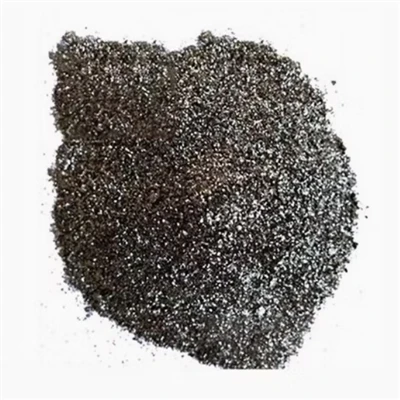


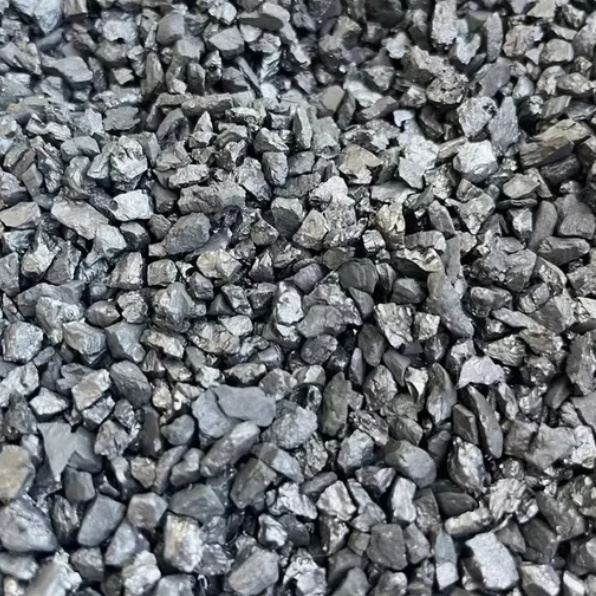


Hebei Fengchao Import and Export Co., Ltd. is one of the most reliable manufacturers and suppliers of natural graphite carburizer 5-10mm in China. With a professional production team, we are able to meet the needs of the majority of our customers. If you're going to wholesale bulk natural graphite carburizer 5-10mm made in China, welcome to get pricelist from our factory.
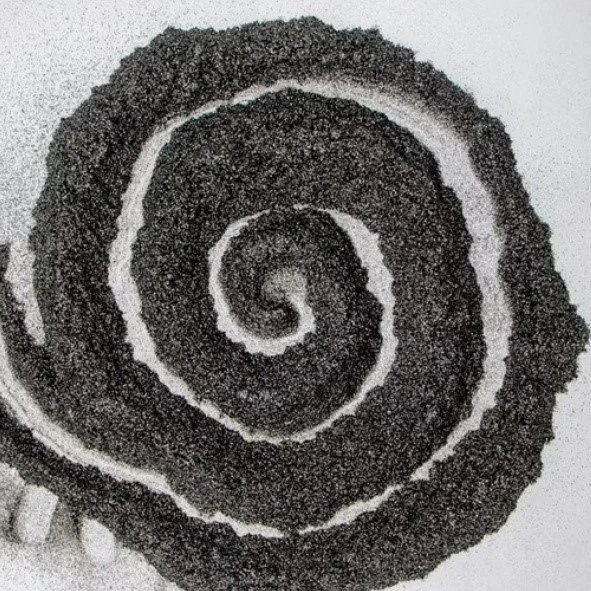
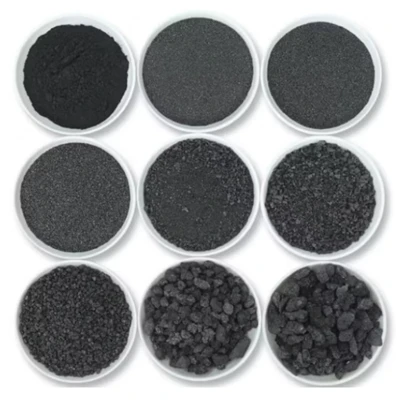
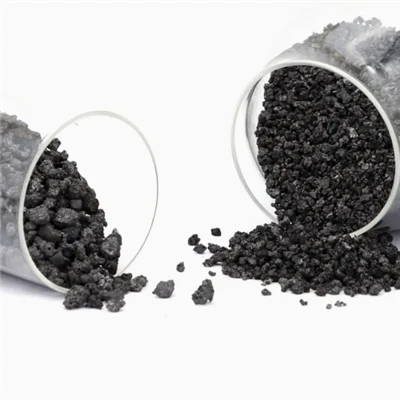
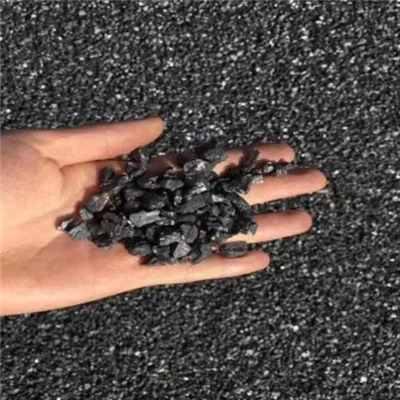
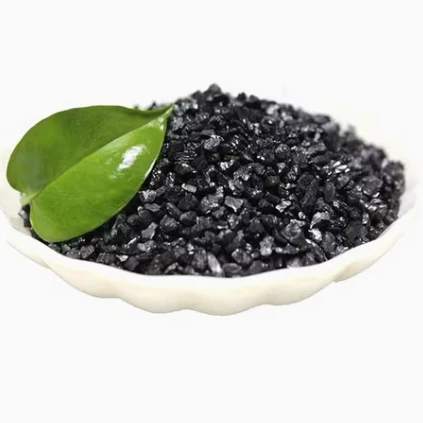
The 5-10mm natural graphite carburizer is a large-size block material produced from purified flake graphite through high-pressure briquetting and screening. The heavy blocks readily settle and penetrate the scrap steel layer after charging into the furnace, substantially reducing burn loss caused by entrainment in high-temperature gas flow. It retains the inherent characteristics of natural flake crystals and delivers moderate graphite nucleation for cast iron. It is suitable for the bottom charging process of large-capacity medium-frequency furnaces and electric arc furnaces. It stabilizes carbon absorption rate during mass smelting and helps metallurgical plants cut comprehensive material consumption in smelting.
The 5-10mm natural graphite carburizer is manufactured using purified flake graphite powder as base material via high-pressure briquetting, curing and lump-size screening. The formed blocks have sufficient self-weight. When laid at the furnace bottom and buried beneath heavy scrap steel, they sink rapidly. Compared with fine natural graphite powder and small-particle grades, they are less prone to being lifted by rising hot gas inside the furnace and suffering oxidative combustion. Despite high-pressure compaction, the flake crystal structure is preserved inside the blocks, providing moderate nucleation sites for graphite precipitation in molten iron. This product is mainly designed for furnace bottom charging processes in large-capacity medium-frequency furnaces and electric arc furnaces, mitigating sharp fluctuations in carbon absorption during mass smelting. As a natural carbon raw material, it still contains native gangue components. Suitable for the production of standard-grade cast iron, it is an economical carburizing material that helps foundries control overall raw material expenditure in continuous melting operations.
This product is made from flotation-purified flake graphite powder, processed through high-pressure moulding, curing, crushing and screening into 5-10mm briquettes. The large briquettes feature excellent dust suppression performance. When buried under heavy scrap steel for furnace charging, they effectively reduce oxidative burn loss from hot gas scouring. Flake microcrystals remain inside the briquettes and can exert certain graphite nucleation effects once disintegrated under heat during smelting. The production technical team controls key procedures including powder purification and briquette curing to stably manage fixed carbon, ash and moisture indicators. A dedicated storage area for block-shaped natural graphite is set up and separated from synthetic graphite blocks and amorphous graphite to avoid mixing of different carbon raw materials. It mainly supplies smelting and casting scenarios for large-capacity medium-frequency furnaces and electric arc furnaces. Besides routine physicochemical tests, block compressive strength and particle size grading inspections are carried out. Samples are retained for each production batch, and third-party sampling and testing are acceptable for export orders. It is suitable for primary carbon addition by laying material at the furnace bottom. In large-scale smelting of ordinary cast iron, it leverages the cost advantage of natural graphite to stabilize carburizing performance and assist customers in controlling bulk raw and auxiliary material input.
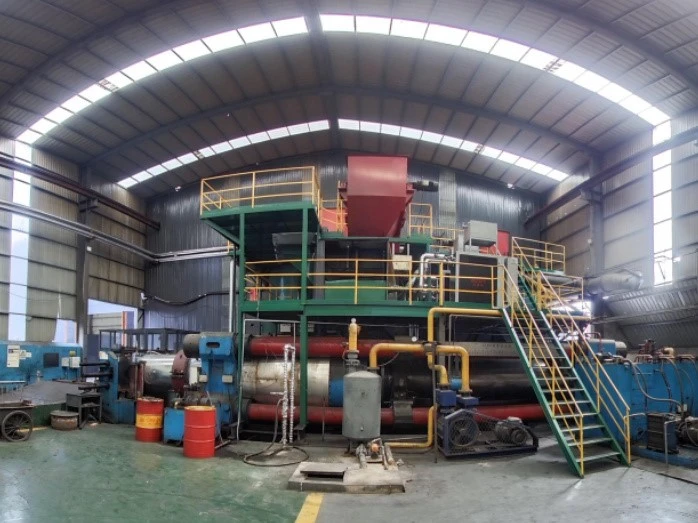
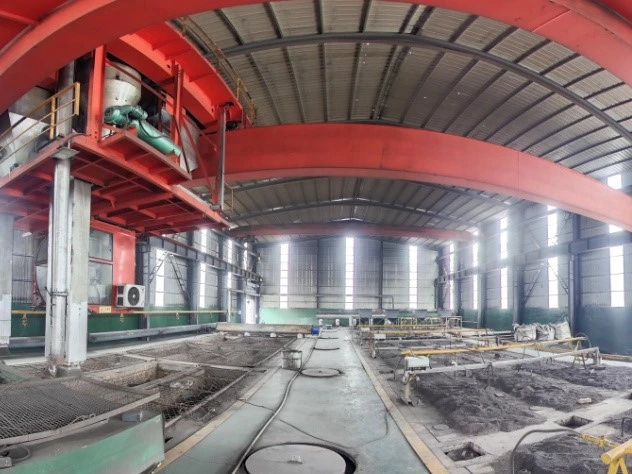
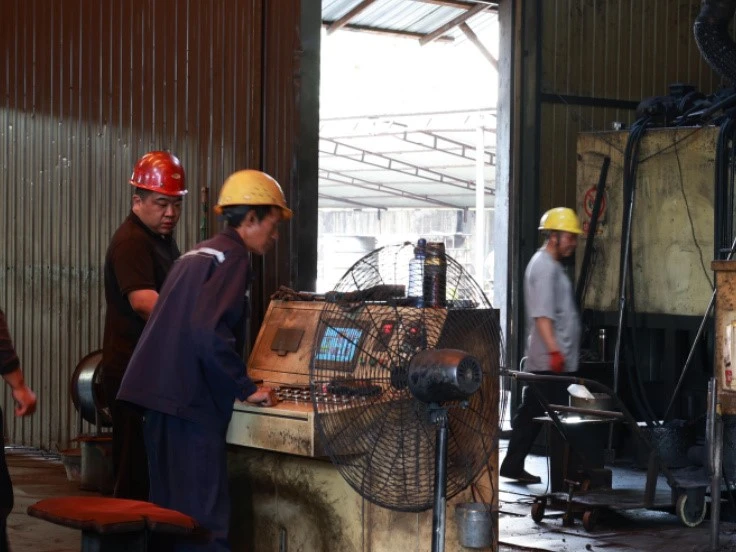
Factory Tour
FAQ
Q: What are the core differences in metallurgical application between the 5-10mm high-pressure briquetted natural graphite carburizer and the 1-3mm granulated natural graphite carburizer?
A: The 5-10mm grade consists of large-size briquettes with higher individual weight. It is more suitable for furnace bottom charging buried under heavy scrap steel and offers stronger resistance to scouring by hot furnace gas, resulting in lower early-stage burn loss compared with small granules. The 1-3mm small granules are more flexible and can be mixed directly into the entire batch of cold furnace burdens. The large briquettes gradually disintegrate under heat and release flake microcrystals, also providing certain nucleation effects. However, due to their large volume, excessively high curing strength slows down disintegration. Both use natural graphite as base material, and gangue impurities cannot be completely eliminated; their ash content is generally higher than synthetic graphite carburizing blocks of the same size.
Q: For this briquette product, why is compressive disintegration strength a critical quality indicator?
A: If the compressive strength is too low, blocks tend to break during transportation and feeding, generating large quantities of fine powder and bringing back the problems of dusting and premature oxidative burn loss. If the briquette is cured with excessively high strength, it is difficult to disintegrate under heat after entering the molten bath, either floating intact or sinking slowly. This causes delayed carbon dissolution and makes the final carbon content of the molten iron in the heat hard to predict. The ideal performance is to keep blocks intact during storage and transportation; upon exposure to high-temperature molten iron, the briquettes gradually crack and break apart to release internal flake graphite crystals. Disintegration strength can be specified in the technical agreement at the time of procurement.
Q: When using 5-10mm natural graphite briquettes for furnace-bottom primary carbon addition in electric arc furnaces or large-capacity medium-frequency furnaces, what factors tend to reduce the carbon absorption rate?
A: First, unreasonable placement. Some briquettes are not fully covered by scrap steel and are directly exposed to high-temperature flames or electric arcs, leading to surface burning and loss. Second, rapid slag formation at the initial smelting stage; molten slag encapsulates undisintegrated blocks and isolates them from contact with molten iron. Third, an overly fast heating rate creates intense flue gas flow inside the furnace and accelerates oxidation of surface graphite. It is recommended to lay the briquettes at the centre of the furnace bottom and stack large heavy scrap steel on top. A reasonable burn loss coefficient should still be reserved during burden calculation.
Q: When purchasing the 5-10mm natural graphite briquette carburizer, besides fixed carbon, which impurity indicators must be closely monitored?
A: Ash content and silica are top priorities. Excessively high silica increases slag volume and accelerates erosion and wear of furnace linings. Sulfur content should also be verified. Natural flake graphite ore contains associated sulfur, and excessive sulfur will exert obvious adverse impacts on ductile iron production. Moisture must be strictly controlled as well. Damp briquettes tend to soften and disintegrate, and may trigger molten iron splashing hazards after furnace charging. If used for ductile iron smelting, trace harmful elements such as titanium also need attention.
Q: Which production scenarios suit the 5-10mm natural graphite briquette carburizer, and under what working conditions should block synthetic graphite be prioritized instead?
A: For smelting ordinary grey iron and standard-grade ductile iron in large-capacity medium-frequency furnaces and small electric arc furnaces, where the goal is to reduce burn loss during furnace-bottom carburizing and control raw material procurement costs, the 5-10mm natural graphite briquettes are suitable for furnace-bottom primary carbon addition. For heavy-section high-end ductile iron castings and castings with strict controls over inclusions and sulfur content, low-ash and low-sulfur synthetic graphite block carburizers should be prioritized. A combined feeding scheme is also feasible: lay these natural briquettes at the furnace bottom for primary carbon addition, and supplement with a small amount of flake graphite or high-quality synthetic graphite granules in the middle and later stages of smelting to balance production cost and casting metallographic quality.
Hot Tags: natural graphite carburizer 5-10mm, China natural graphite carburizer 5-10mm manufacturers, suppliers, factory