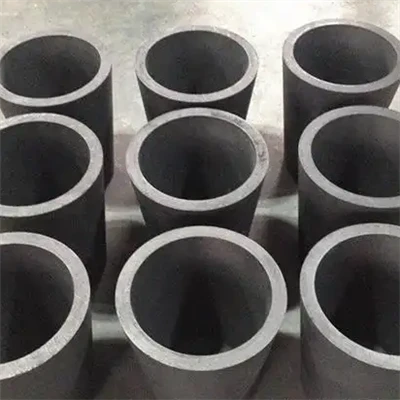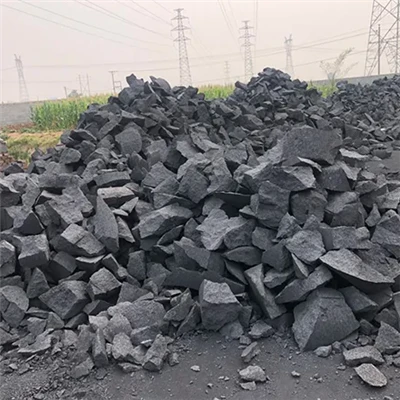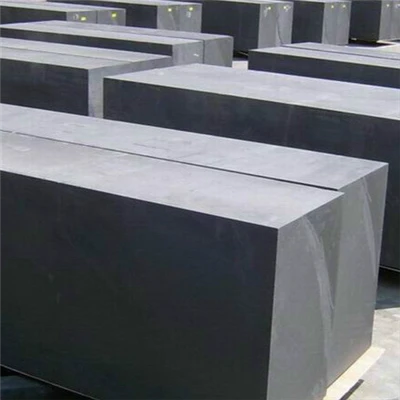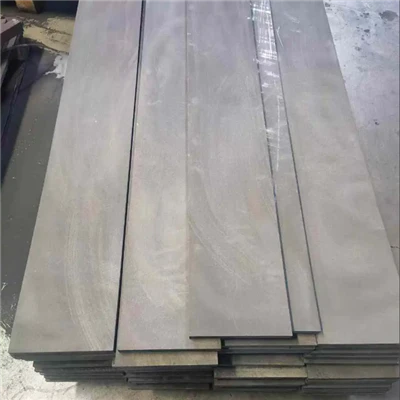


Graphite density is an important indicator of its physical properties. Typically, the theoretical density of graphite is approximately 2.26 g/cm³, meaning that one cubic centimeter of graphite weighs about 2.26 grams. The actual density of natural graphite is affected by factors such as crystal structure, carbon content, mineral impurities, and porosity. Therefore, graphite from different origins and processed using different methods may have varying densities. Graphite has a typical layered crystal structure, with carbon atoms tightly packed within the same layer, while the bonding force between adjacent carbon atom layers is relatively weak. This structural characteristic allows graphite to maintain a certain density while also possessing good lubrication and electrical conductivity. Compared to diamond, graphite has a slightly lower density, mainly due to the different arrangement of carbon atoms and crystal structures.
The density of graphite is not only related to its own crystal structure but also closely related to the quality of the raw materials and the processing technology. The density of natural graphite ore containing impurities such as quartz and mica is affected by its mineral composition. The bulk density of artificial graphite, after processing through molding, calcination, and graphitization, is also influenced by particle size distribution, molding pressure, and the number of internal pores. Generally, graphite products with more pores have relatively lower bulk density, while graphite materials that have undergone appropriate densification treatment may have higher bulk density. In practical applications, density is one of the important reference indicators for evaluating the quality and performance of graphite materials, and it can be used for quality testing and product selection in fields such as electrode materials, refractory materials, sealing materials, and lithium-ion battery anode materials. It is important to note that theoretical density, true density, and bulk density of graphite are different concepts, and should be distinguished according to specific testing methods and product standards during material analysis.