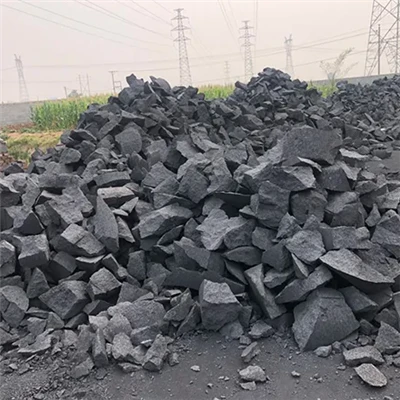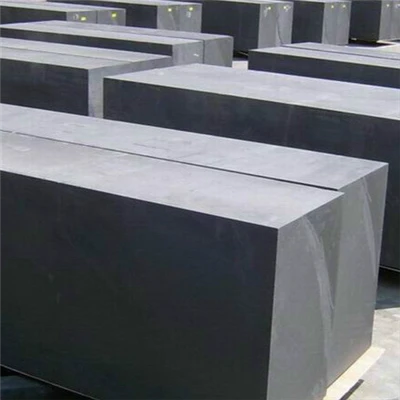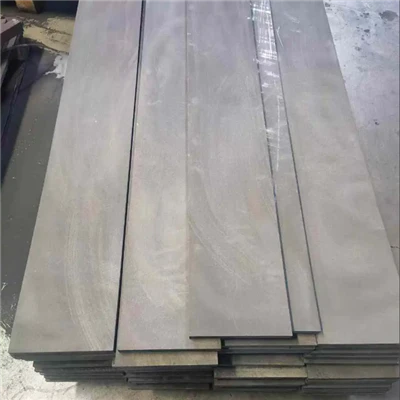


Graphite is a carbon material with a variety of excellent properties, widely used in industrial production and daily life. One of graphite's most important functions is electrical conductivity. Due to the presence of freely moving delocalized electrons within it, it has excellent electrical conductivity and can be used to manufacture electrodes, brushes, and other conductive components. In lithium-ion batteries, graphite is a common negative electrode material. Its layered structure can accommodate lithium ions, enabling the insertion and extraction of lithium ions during battery charging and discharging, thus storing and releasing electrical energy. Furthermore, graphite has good thermal conductivity, transferring heat to other parts, and is therefore used in some electronic devices, industrial heat treatment equipment, and heat dissipation materials. These properties make graphite a crucial basic material in metallurgy, electronics, and new energy industries.
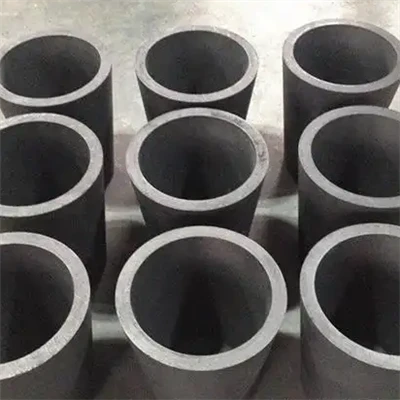
Graphite also possesses good lubricity and high-temperature resistance, closely related to its unique layered crystal structure. The carbon atoms in graphite are connected within the same layer by strong covalent bonds, while the bonding force between adjacent layers is relatively weak. Therefore, when subjected to friction, the carbon atom layers easily slide relative to each other, reducing the frictional resistance of the contact surface. Leveraging this characteristic, graphite can be used as a solid lubricant in mechanical bearings, sealing components, and some high-temperature operating equipment. Simultaneously, graphite exhibits good high-temperature resistance in oxygen-deficient or inert gas-protected environments, making it suitable for manufacturing graphite crucibles, metallurgical electrodes, and some refractory materials. However, at high air temperatures, graphite readily reacts with oxygen; therefore, appropriate materials and protective measures must be selected based on the working environment during practical applications.
Graphite also possesses a certain degree of chemical stability, allowing it to be used in the manufacture of heat exchangers, sealing materials, and some corrosion-resistant equipment. In chemical production processes, properly processed graphite materials can be applied to specific corrosive media environments, but their corrosion resistance is still affected by factors such as the type of medium, temperature, and material purity. With the development of materials science, the application range of graphite is gradually expanding. For example, through further processing, expanded graphite, graphene, and other carbon materials with special properties can be prepared and applied in fields such as adsorption, conductive composite materials, and environmental remediation. Overall, graphite's functions are not only reflected in traditional industrial production, but are also closely related to the development of new energy and advanced materials technologies. Its unique structure and properties give it high practical value in many fields.