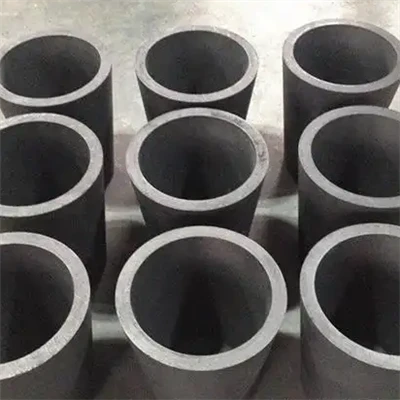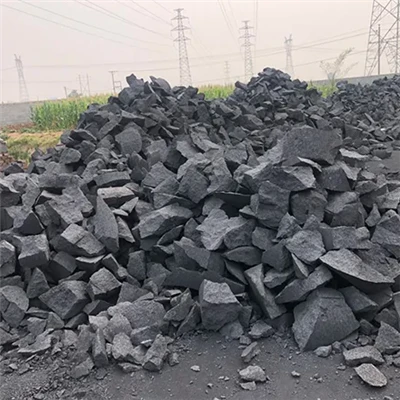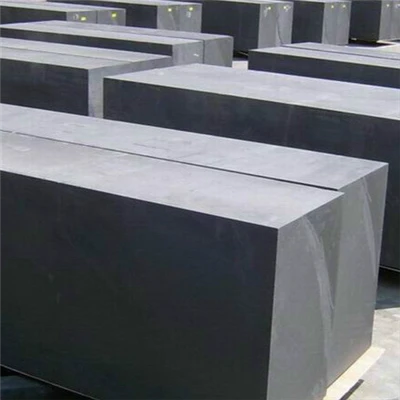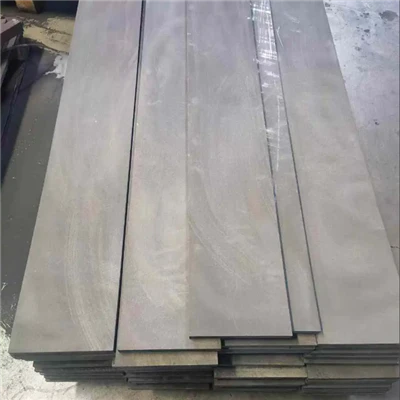


There is no fixed value for the porosity of graphite; it depends primarily on the type of graphite, the composition of the raw materials, the processing technology, and its internal structure. Natural graphite typically contains a certain amount of natural pores and mineral impurities, while the porosity of synthetic graphite is affected by molding pressure, calcination temperature, and graphitization process. For industrial graphite products, porosity can range from a few percentage points to tens of percentage points, with the specific value determined based on the material type and test results. Generally, higher porosity indicates more voids within the material, resulting in lower bulk density and potentially affecting mechanical strength and airtightness. However, porosity is not the sole indicator of graphite quality; it must be considered in conjunction with parameters such as density, compressive strength, thermal conductivity, and corrosion resistance for a comprehensive evaluation.
The pores in graphite mainly include the spaces between particles, pores formed during processing, and the original micropores within the material. For synthetic graphite, properly controlling the particle size of the raw materials, increasing the molding pressure, and optimizing the calcination and impregnation processes can reduce some of the porosity, improving the material's density and mechanical properties. In practical applications, the required graphite porosity varies depending on the intended use. For example, graphite electrodes and high-purity graphite components typically require attention to bulk density, porosity, and mechanical strength; graphite sealing materials prioritize airtightness and resistance to media penetration; while some adsorbent materials may require higher porosity or a larger specific surface area to improve adsorption efficiency. It is important to note that open porosity, closed porosity, and total porosity have different meanings, and results obtained from different testing methods may vary. Therefore, when using graphite porosity data, the material type, testing method, and specific testing conditions should be clearly defined.