

Graphite is a carbonaceous mineral with relatively low hardness, typically ranging from 1 to 2 on the Mohs scale. A fingernail or other soft object can easily leave a scratch on its surface. This low hardness is primarily due to its unique layered crystal structure. Within graphite, each carbon atom is connected to three surrounding carbon atoms by strong covalent bonds, forming a continuous hexagonal network structure. Adjacent carbon atom layers are mainly bound by weaker van der Waals forces. This interlayer bonding allows graphite to easily slide or peel along the layers when subjected to external forces, resulting in a relatively soft overall texture. Compared to diamond, although both are composed of carbon, diamond has a strong three-dimensional covalent bond structure, while graphite has a distinct layered structure, leading to a significant difference in hardness. Graphite's low hardness is also a major reason why it can leave a grayish-black mark on paper and is widely used in pencil lead manufacturing.
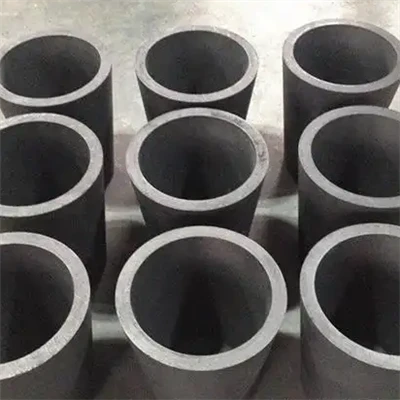
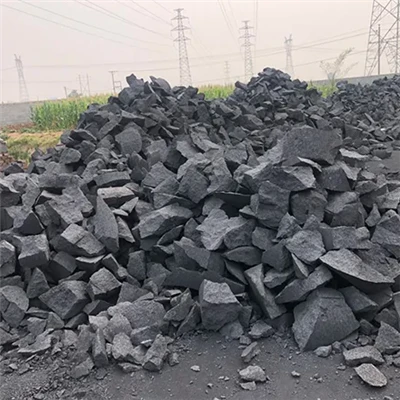
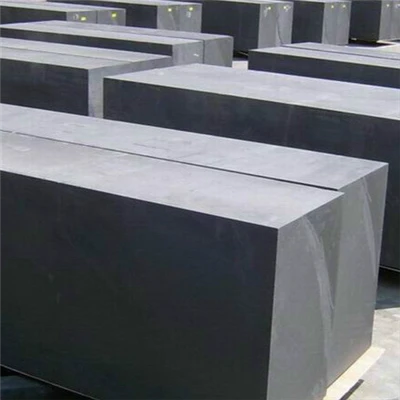
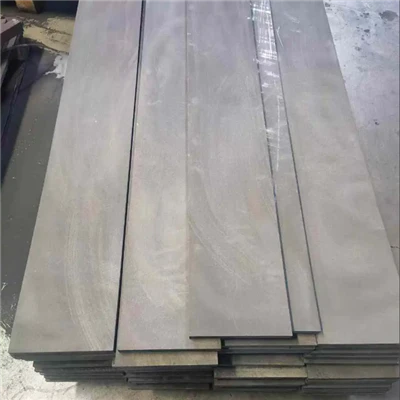
The hardness of graphite is not a fixed value and is also affected by factors such as the degree of crystallinity, particle size, impurity content, porosity, and processing techniques. Natural flake graphite typically has a pronounced lamellar structure and is easily peeled along its layers; cryptocrystalline graphite has finer particles, resulting in different overall properties and processing characteristics. For synthetic graphite, raw material composition, molding pressure, calcination, and graphitization processes all affect the density, strength, and wear resistance of the finished product. It's important to note that Mohs hardness primarily reflects a material's resistance to scratches and does not fully represent the mechanical strength of graphite products. In industrial applications, further testing of compressive strength, flexural strength, and wear resistance is necessary to evaluate the load-bearing capacity and service life of graphite materials. Although graphite has a relatively low hardness, its excellent electrical and thermal conductivity, lubricity, and high-temperature resistance make it widely used in electrodes, lubricants, refractory materials, and lithium-ion battery anode materials.