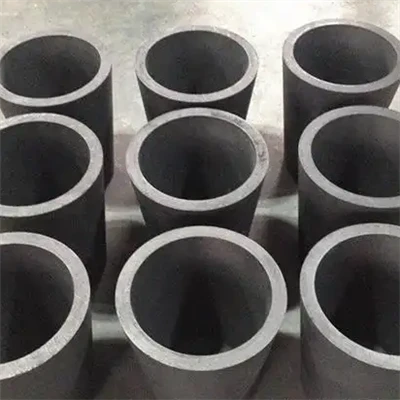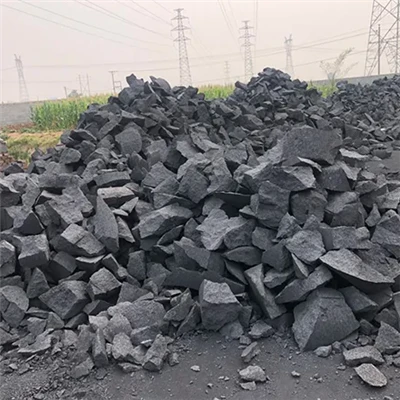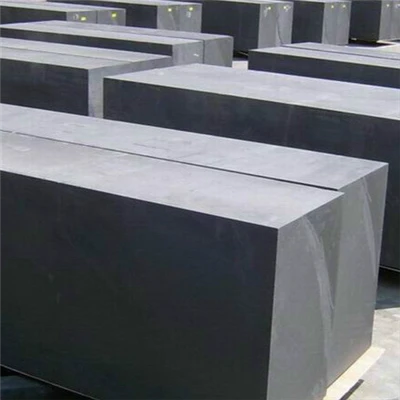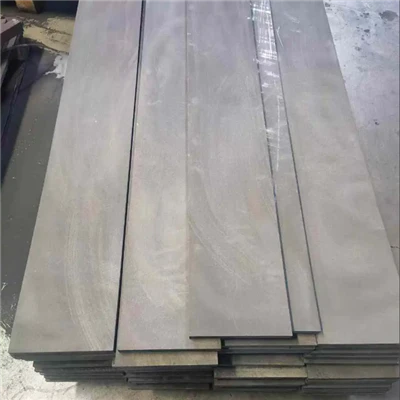

Graphite electrodes are conductive electrodes primarily composed of graphite, possessing excellent electrical conductivity, high-temperature resistance, and a certain level of mechanical strength. They are widely used in metallurgy, chemical engineering, electrochemistry, and industrial processing. Industrially common graphite electrodes are typically made from carbonaceous raw materials such as petroleum coke and needle coke, with the addition of binders like coal tar pitch. The process involves kneading, molding, calcination, impregnation, and high-temperature graphitization. After these processing steps, the material forms a relatively stable conductive structure and possesses the strength and heat resistance required for industrial applications. The most prominent characteristic of graphite electrodes is their high conductivity, enabling them to generate an electric arc or conduct electrical energy when a large current is applied, while also withstanding high temperatures in suitable working environments. Therefore, graphite electrodes are commonly used in electric arc furnace steelmaking, where the electric arc generated between the electrode and the furnace charge releases a large amount of heat, rapidly melting scrap steel and other metallic raw materials. Compared to some metal electrodes, graphite electrodes have relatively low density, good machinability, and excellent high-temperature performance. However, in practical use, they can experience oxidation, end wear, and breakage. Their service life is closely related to current intensity, furnace atmosphere, cooling conditions, and operating methods.
Graphite electrodes can be classified into ordinary power graphite electrodes, high-power graphite electrodes, and ultra-high-power graphite electrodes according to their applications and manufacturing processes. The main differences lie in the allowable current density, material properties, and applicable operating conditions. In the metallurgical industry, graphite electrodes are important consumables in electric arc furnace steelmaking, converting electrical energy into high-temperature heat energy to provide a heat source for metal melting and refining. In the electrochemical industry, graphite electrodes can be used in certain electrolysis, electroplating, and other electrochemical reaction devices, but the specific application depends on the electrode's purity, structure, and dielectric conditions. In the machining field, graphite electrodes can also be used in electrical discharge machining (EDM), removing metal materials through pulsed discharge, suitable for machining molds and workpieces with complex shapes. Furthermore, graphite materials are also used in conductive components in some chemical equipment and high-temperature industrial devices. It is important to note that the requirements for graphite electrodes differ depending on the application. Electrodes used in electric arc furnace steelmaking emphasize high current carrying capacity and thermal shock resistance, while electrodes used in electrical discharge machining (EDM) focus more on machining accuracy, wear rate, and surface quality. When selecting graphite electrodes, it is generally necessary to comprehensively consider parameters such as electrode diameter, resistivity, bulk density, bending strength, ash content, and the operating environment to ensure that they meet actual production needs.