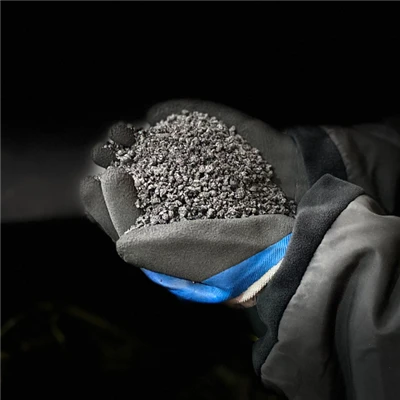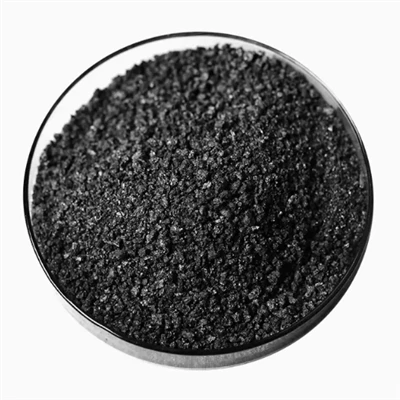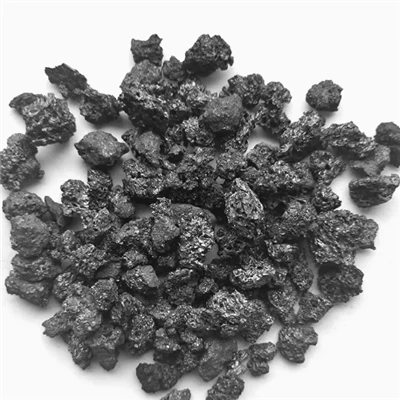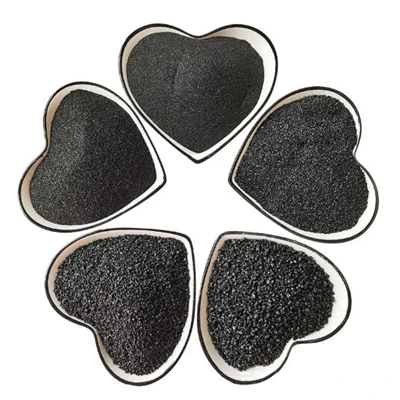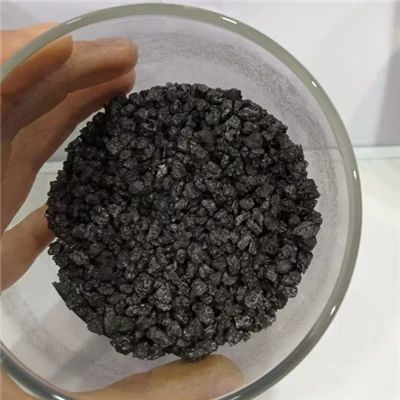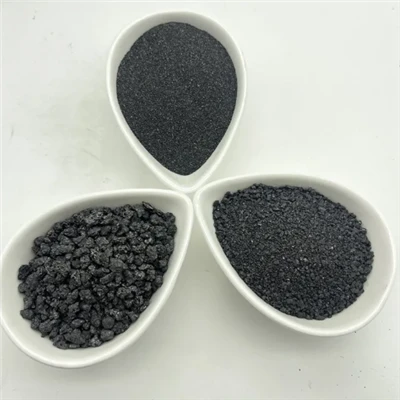

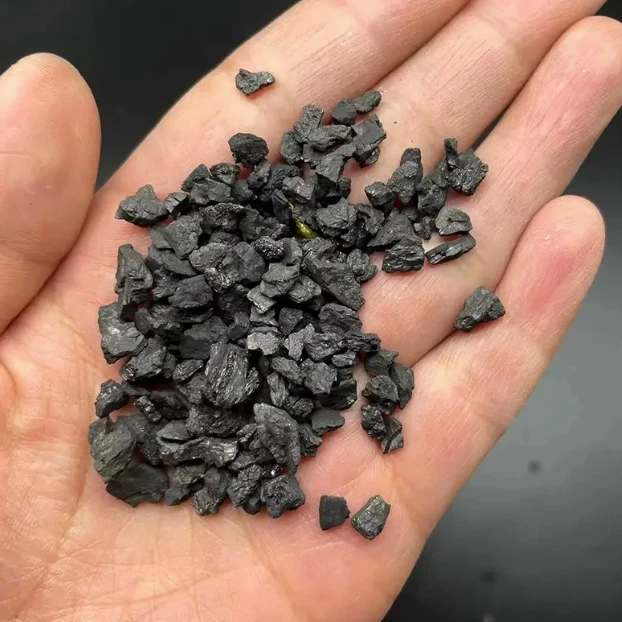


Hebei Fengchao Import and Export Co., Ltd. is one of the most reliable manufacturers and suppliers of artificial graphite carburizer 0-1mm in China. With a professional production team, we are able to meet the needs of the majority of our customers. If you're going to wholesale bulk artificial graphite carburizer 0-1mm made in China, welcome to get pricelist from our factory.
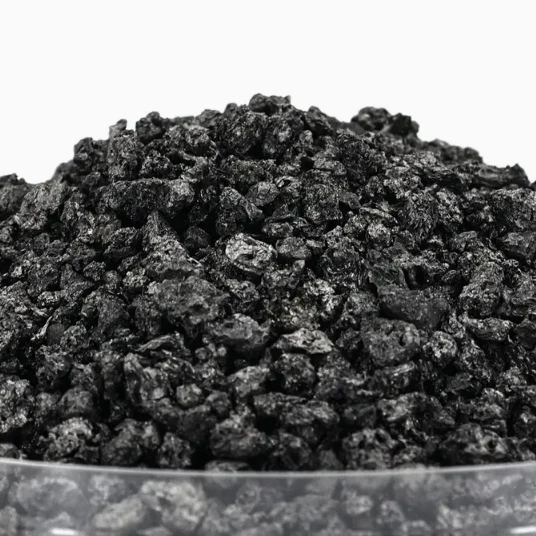
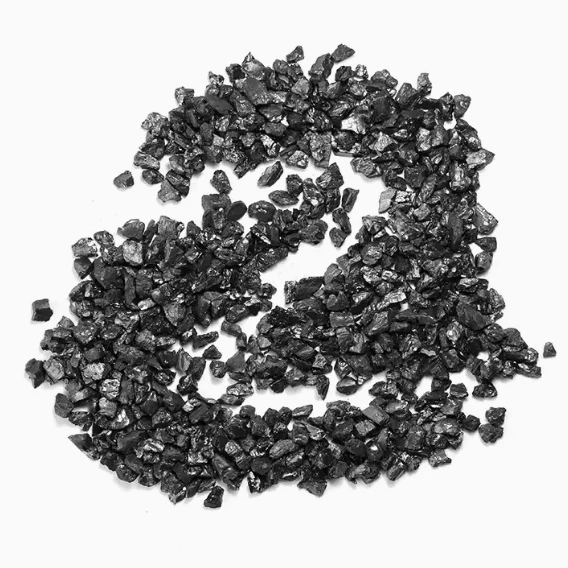
This 0-1mm synthetic graphite carburizer is produced by crushing and precise granulation grading after ultra-high-temperature graphitization treatment. It combines the dual advantages of fast dissolution rate of fine powder and low fugitive loss of particles, avoiding flyaway losses of ultra-fine powder. The product features high fixed carbon, low sulfur and low nitrogen. It is suitable for both furnace charging and ladle carbon replenishment. When used for melting high-quality ductile iron and alloy castings, it delivers stable carbon absorption rate, helping foundries simplify feeding procedures and achieve more uniform and stable molten iron composition in daily melting operations.
This 0-1mm synthetic graphite carburizer is manufactured by crushing and precise screening of carbon raw materials after ultra-high-temperature graphitization, controlling particle size within the 0-1mm range. The moderate particle size balances dissolution speed and resistance to entrainment loss by flue gas. Compared with 0-0.2mm ultra-fine graphite powder, it generates less dust during feeding, while dissolving faster than coarse graphite particles. Boasting high fixed carbon, low sulfur and low nitrogen, this versatile product can be bulk-charged into medium-frequency furnaces and also used for ladle carbon addition. It is widely applied in the production of high-grade ductile iron and alloy castings. It enables metallurgical foundries to maintain stable carbon absorption, reduce fluctuations in molten iron composition and lower the rejection rate of finished castings.
Carbon base material is subjected to ultra-high-temperature graphitization, followed by crushing, classification screening and dedusting to obtain graphite particles with a particle size of 0-1mm. Fines below the lower limit and oversized coarse particles are strictly screened out to concentrate the finished particle size distribution and reduce dust generation during feeding. The production technical team controls graphitization holding time and cooling rate to stabilize core metallurgical indicators including fixed carbon, sulfur and nitrogen. An independent production and storage zone for graphite particles is established with isolation protection to prevent cross-contamination with anthracite-based carbon materials, supplying mid-to-high-end foundries and special steelmaking customers. Besides routine physical and chemical tests, nitrogen content, sulfur content and particle size distribution are prioritized for inspection. Samples are retained and archived for each batch. Third-party sampling and laboratory analysis are acceptable for export orders. External ash impurities are strictly controlled to balance particle flowability and dissolution efficiency. It adapts to two processes: direct charging into medium-frequency furnaces and ladle carbon replenishment, ensuring steady carbon absorption during melting.
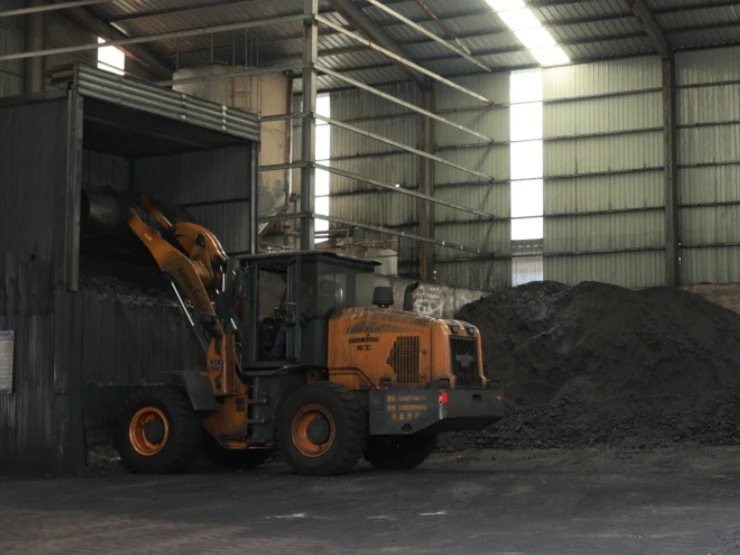
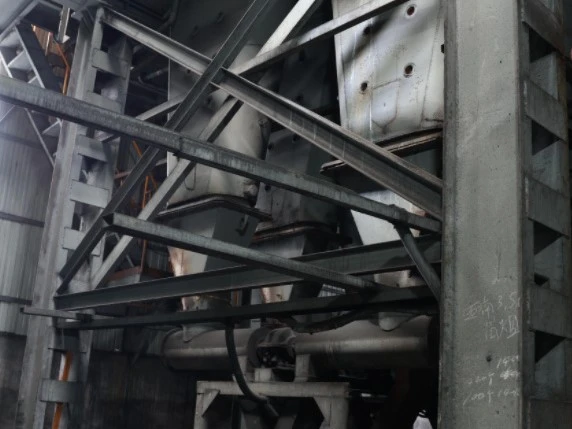
Factory Tour

FAQ
Q: Compared with 0-0.2mm ultra-fine graphite powder, why is dust generation reduced when charging 0-1mm synthetic graphite carburizer into medium-frequency furnaces?
A: The 0 1mm grade has a skeleton of particles with certain dimensions and a reduced overall specific surface area, making it less prone to being swept away directly by hot gas flow at the furnace mouth. Nevertheless, this grade still contains some fine powder fractions. Direct pouring from high elevations will still produce a small amount of dust. Layered spreading along gaps of furnace charge is recommended to further reduce powder loss.
Q: When melting ductile iron in a medium-frequency furnace, when is the optimal timing to add 0-1mm synthetic graphite carburizer for higher carbon absorption?
A: It is preferable to lay and feed the carburizer together with scrap steel and returns at the furnace bottom, with upper furnace charges pressing down the particles. As furnace materials melt gradually, graphite particles keep contacting molten iron to achieve sufficient carbon pickup. Concentrated one-time feeding after the full melting of molten iron is not recommended, as surface particles tend to be oxidized by high-temperature flame and reduce carbon absorption rate. A small amount can also be added later for ladle fine-tuning, though the adjustment effect is less rapid than that of ultra-fine powder.
Q: What practical impacts will a high proportion of fines within one batch of 0-1mm material bring to smelting?
A: A higher proportion of fines increases dust and flue gas escape losses, causing downward fluctuations in actual carbon yield. Excessive powder also easily causes bridging and blockage during silo discharging. We control the particle size range via classifying screens in production. If customers specify a maximum limit for fines content, the requirement can be raised before order placement to adjust screening parameters during production.
Q: What precautions should be taken for warehousing 0-1mm synthetic graphite particles, and what consequences will moisture absorption cause?
A: The product shall be stored in a dry, ventilated and enclosed warehouse to prevent rainwater and ground moisture intrusion. Containing both small particles and partial fine powder, this grade is highly susceptible to caking once damp. Caked material releases water vapor instantly when fed into high-temperature furnaces, triggering slight churning of molten iron and even splashing risks in severe cases. The introduced moisture also raises the probability of porosity defects in castings.
Q: Can 0-1mm synthetic graphite carburizer replace both calcined anthracite carburizer and ultra-fine synthetic graphite powder at the same time?
A: Full mutual replacement is not feasible. Compared with calcined anthracite, it has lower sulfur and nitrogen suitable for high-end ductile iron yet comes with higher procurement cost. Compared with 0-0.2mm ultra-fine graphite powder, it produces less dust, but is incompatible with ladle injection processes (larger particles may clog spray guns). It is more suitable as the main carbon additive for medium-frequency furnace charging. Ultra-fine powder is preferred for urgent late-stage carbon fine-tuning in ladles.
Hot Tags: artificial graphite carburizer 0-1mm, China artificial graphite carburizer 0-1mm manufacturers, suppliers, factory