
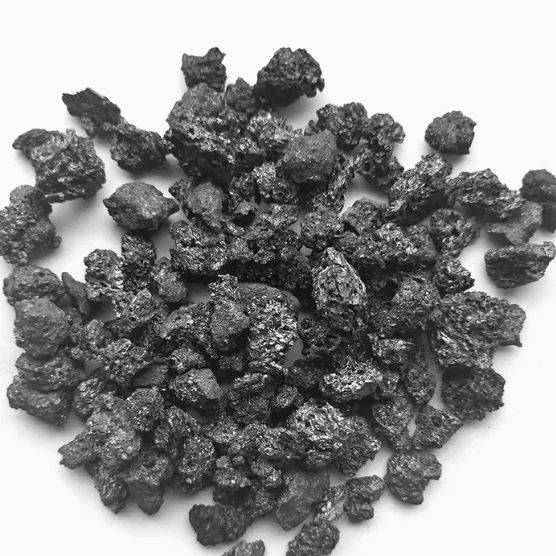


Hebei Fengchao Import and Export Co., Ltd. is one of the most reliable manufacturers and suppliers of graphite carbon additive in China. With a professional production team, we are able to meet the needs of the majority of our customers. If you're going to wholesale bulk graphite carbon additive made in China, welcome to get pricelist from our factory.
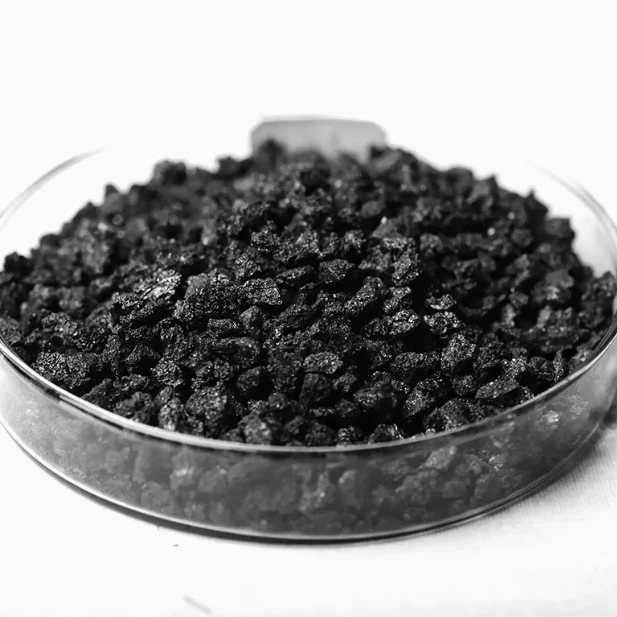
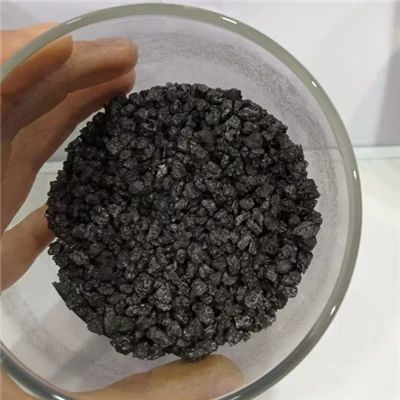
Graphite carbon additives are produced via graphitization and deep purification. They are general-purpose metallurgical graphite carbon materials featuring excellent thermal stability and favorable wettability with molten metals. With moderate impurity content and customizable particle sizes, they fit multiple feeding methods for casting and steelmaking. They promote uniform dissolution of carbon into the melt and reduce slag-forming tendency, helping metallurgical plants stabilize molten bath conditions and optimize overall metallurgical material costs in mass production.
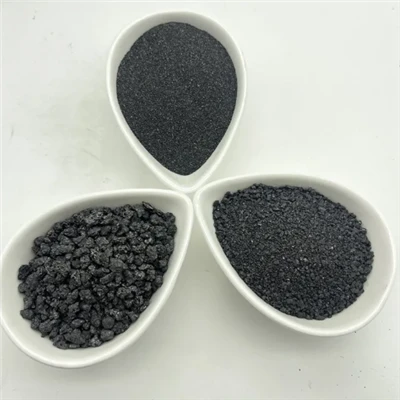
Graphite carbon additives are manufactured through graphitization and purification processes and retain intact graphite lamellar structures. Unlike dedicated carburizing powder or granular carburizers with fixed particle sizes, they can be supplied in various custom particle size grades according to project requirements. They exhibit good wettability upon contact with molten metal, facilitating carbon transfer into the molten bath and restraining excessive slag generation. Widely adopted in continuous steelmaking and general casting production for stable carbon replenishment, they allow metallurgical enterprises to flexibly adjust carbon material formulations and balance metallurgical performance and raw material costs in large-scale continuous production.
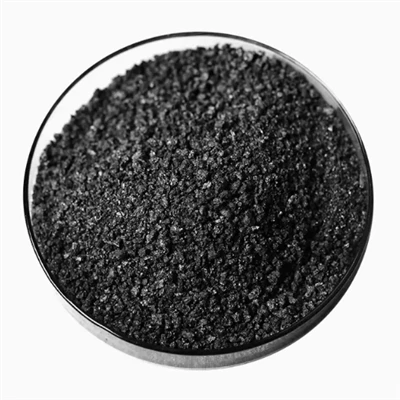
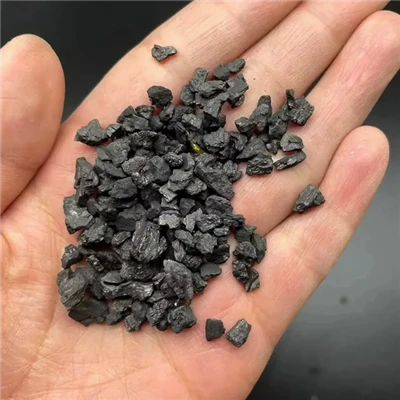
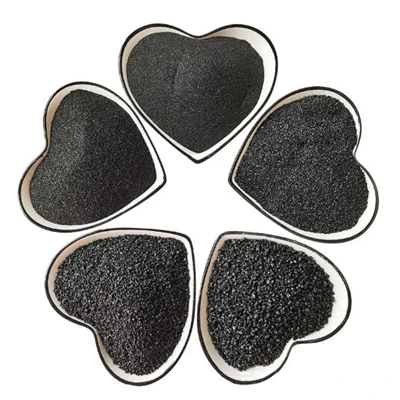
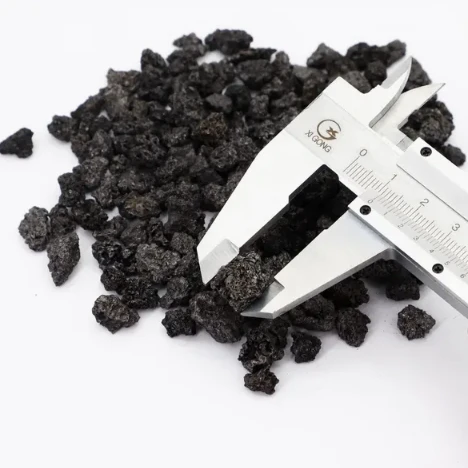
This product is made from graphite base material after purification, followed by crushing and screening. The particle size range can be customized according to customers' actual working conditions. It can be processed into fine powder or medium-to-coarse granules to adapt flexibly to different smelting feeding conditions. The production technical team focuses on controlling the purification process, managing ash content indicators and preserving intact graphite lamellar structures. Independent processing and sorting lines are set up, operating separately from anthracite and petroleum coke production lines to avoid material cross-contamination. It supplies general metallurgical carbon materials for the steelmaking and casting industries. In addition to routine physical and chemical tests, sieve analysis is carried out for custom particle sizes specified by customers. Samples are retained and filed for each batch. Third-party sampling and testing are available for export orders. Balancing metallurgical performance and cost-effectiveness, the product enables customers to adjust batching schemes flexibly and suits continuous large-volume smelting production.
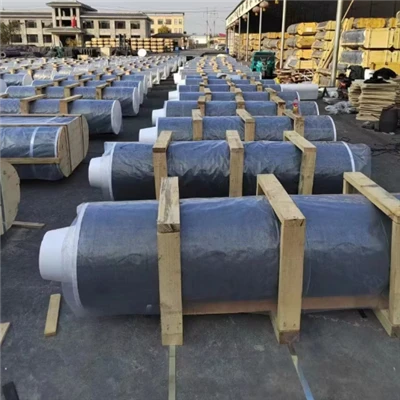
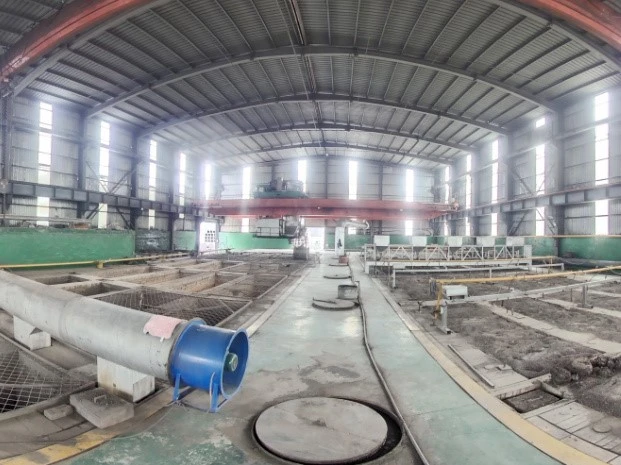
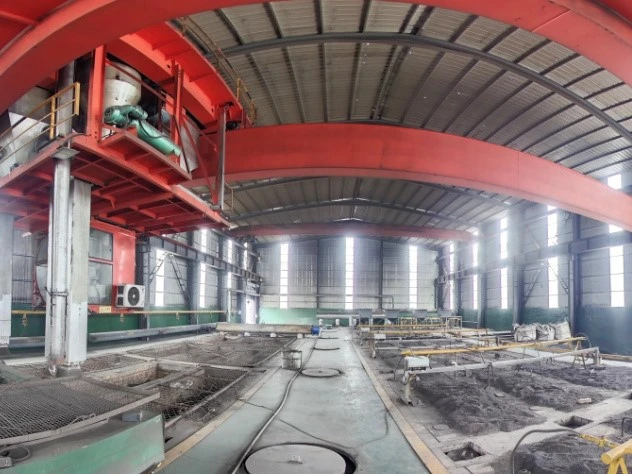
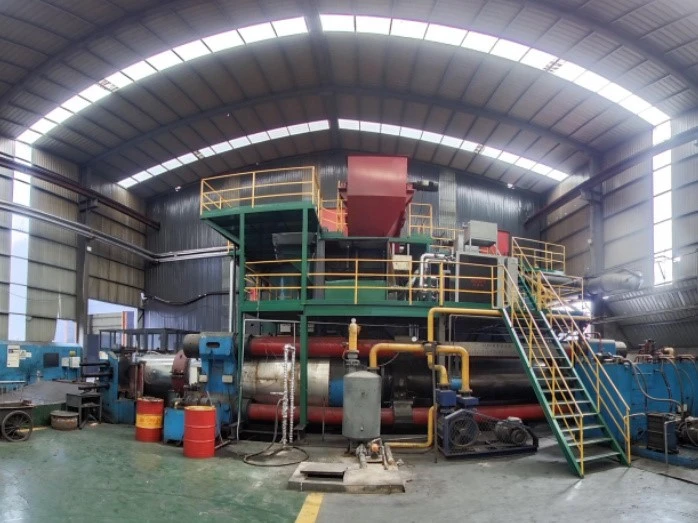
Factory Tour
FAQ
Q: What are the main differences between graphite carbon additives and conventional synthetic graphite carburizers?
A: Conventional synthetic graphite carburizers are normally delivered with fixed particle sizes. Graphite carbon additives support custom particle sizing. Fine powder, medium granules or coarse aggregates can be tailored to customers' smelting equipment. Positioned as general metallurgical carbon materials, they can serve as the primary carbon replenishment raw material or be incorporated as auxiliary carbon components into smelting formulas with greater flexibility. However, they are not engineered to pursue ultra-low sulfur and nitrogen specifications.
Q: Why do graphite carbon additives help reduce slag formation in the molten bath?
A: The material retains complete graphite lamellar crystal structures with superior wettability in molten steel and molten iron, enabling carbon to penetrate more easily into the metallic melt. Few inert impurities float on the liquid surface to continuously participate in slag formation. Nevertheless, the final slag volume is still affected by impurities from other furnace charges such as ore and scrap steel. It only assists in suppressing slag generation and cannot eliminate slag entirely.
Q: What practical feeding recommendations apply when using graphite carbon additives on continuous steelmaking lines?
A: Under continuous smelting conditions, constant-rate quantitative feeding is preferred instead of one-time bulk charging. Stable feeding via an automatic dosing system allows carbon to dissolve slowly into the molten bath. Avoid local carbon spikes caused by short-period heavy feeding. Meanwhile, regularly review melt assay data and fine-tune the feeding rate according to fluctuations of steel grades to guarantee stable composition on continuous production lines.
Q: Can graphite carbon additives directly replace calcined anthracite carburizers completely during formula replacement?
A: Full direct replacement without trial melting is not recommended. Graphite carbon additives have a higher degree of graphitization and higher carbon absorption efficiency than calcined anthracite. If the original feeding weight is adopted unchanged, excessive carbon is likely to occur. Small furnace trials should be conducted first. After calculating the actual carbon yield, the addition amount shall be reduced before gradual rollout to mass production, with close observation of slag condition changes.
Q: What key parameters should customers provide for custom particle sizing to facilitate precise production scheduling at the factory?
A: First, specify the upper and lower limits of target particle size. Second, clarify the feeding method: automatic silo feeding, furnace-top charging or manual feeding. Also inform the smelted steel grade or molten iron grade, as well as maximum allowable limits for ash and moisture. With the above operating condition information, we can adjust crushing and screening processes to match the practical requirements of production lines.
Hot Tags: graphite carbon additive, China graphite carbon additive manufacturers, suppliers, factory