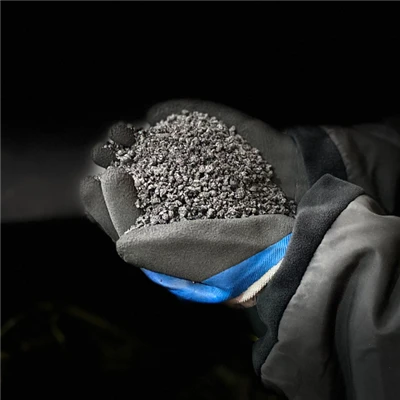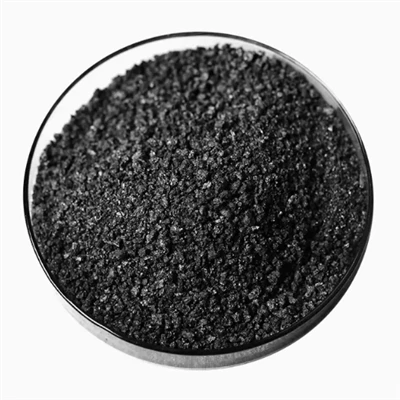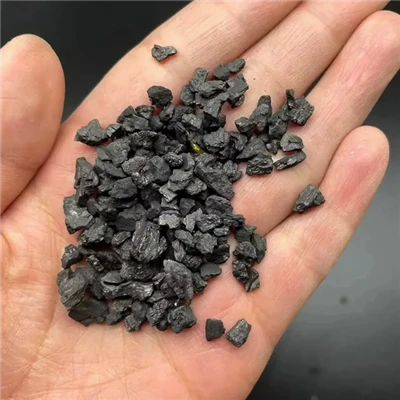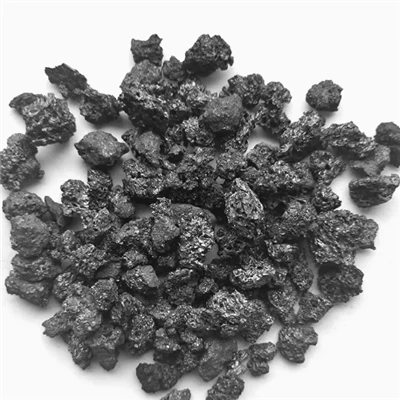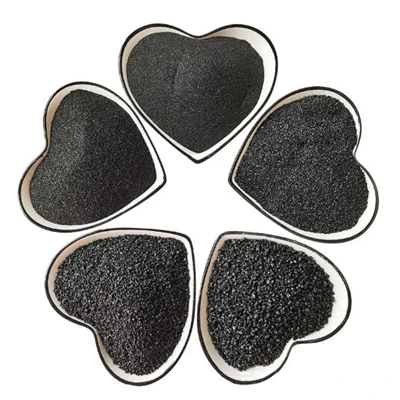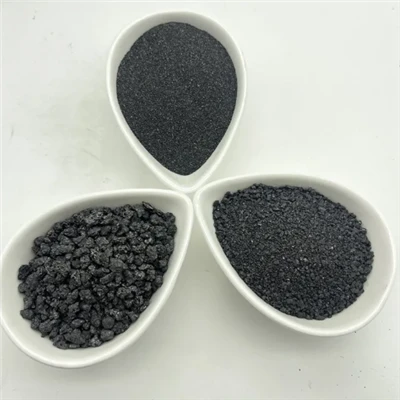

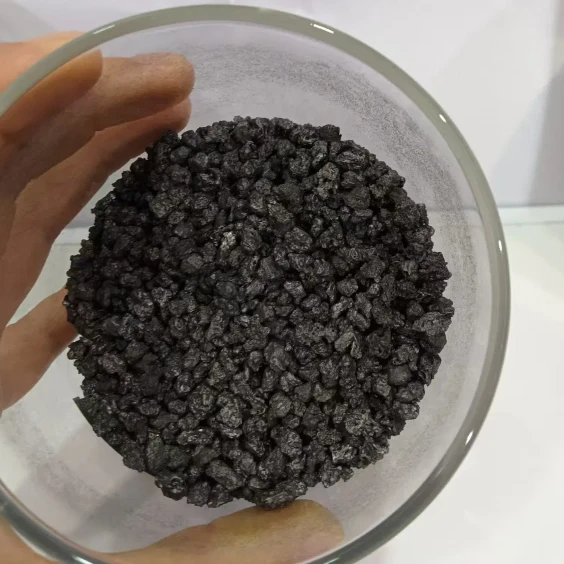


Hebei Fengchao Import and Export Co., Ltd. is one of the most reliable manufacturers and suppliers of artificial graphite in China. With a professional production team, we are able to meet the needs of the majority of our customers. If you're going to wholesale bulk artificial graphite made in China, welcome to get pricelist from our factory.
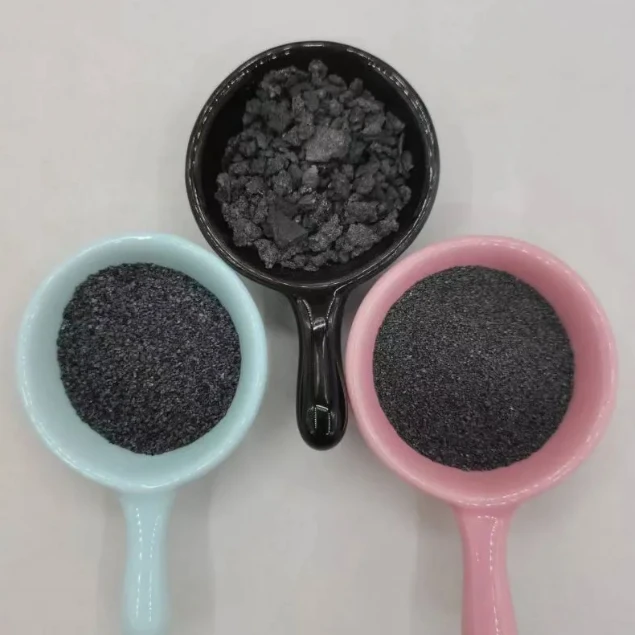
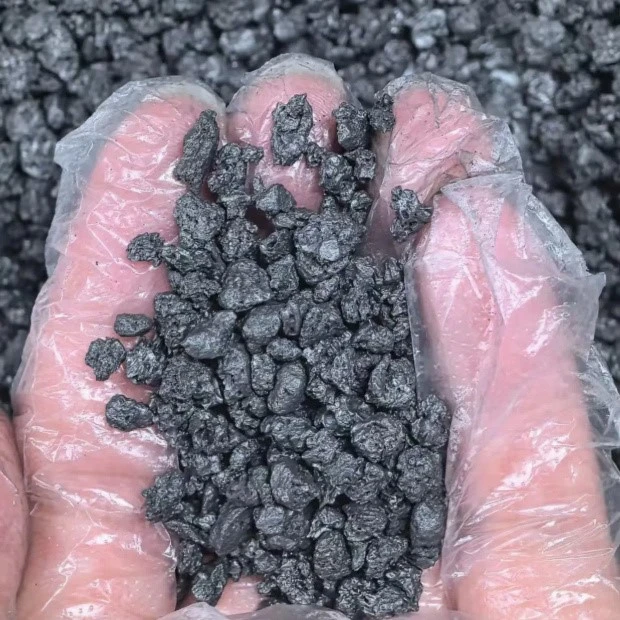
Synthetic graphite is a high-performance carbon material manufactured from carbon raw materials through mixing, compaction, baking and high-temperature graphitization. It features well-ordered crystal arrangement, excellent thermal conductivity and outstanding thermal shock resistance. Besides metallurgical carbon addition, it can also be applied in refractory materials and electrode-related fields. This multi-purpose graphite material delivers stable impurity specifications, enabling customers to formulate integrated material plans for foundry and non-metallurgical production lines.
Synthetic graphite is produced with carbon aggregate and pitch binder, subjected to compaction, baking and subsequent ultra-high-temperature graphitization. Rigorous high-temperature heat treatment reconstructs the internal carbon lattice and forms neatly arranged graphite crystal structures, endowing the material with superior thermal conductivity, remarkable thermal shock resistance and low ash content. Unlike pre-formed granular or powdered carburizers with fixed particle sizes, bulk synthetic graphite blanks can be re-crushed and milled into powders and granules of customer-specified sizes. Apart from metallurgical carbon addition for steelmaking and casting, it is widely used for graphite components, refractory feedstock and carbon paste. It offers customers flexible upstream carbon raw material options and facilitates diversified formula development for metallurgical and carbon product manufacturers.
This product is produced by kneading and shaping carbon aggregate with pitch binder, followed by baking, impregnation and ultra-high-temperature graphitization heat treatment to form graphite blanks. Large blanks can be crushed and screened per customer requirements and flexibly processed into granules and powders of various particle sizes as basic carbon raw materials for downstream supply. The production technical team strictly controls the heating curves for compaction, baking and graphitization to stably manage ash and sulfur content. Separate storage zones for finished blanks and production workshops for metallurgical carburizers are managed in distinct areas to prevent cross-contamination of different carbon materials. It supplies base graphite substrate for carbon product, refractory and metallurgical industries. In addition to routine physicochemical analysis, key graphite bulk properties such as resistivity and thermal expansion are tested. Specimens are retained for each production batch. Third-party sampling and testing are available for export orders. The product can be supplied as intact bulk blanks or crushed classified materials, suiting different business scenarios including deep carbon processing and metallurgical smelting.
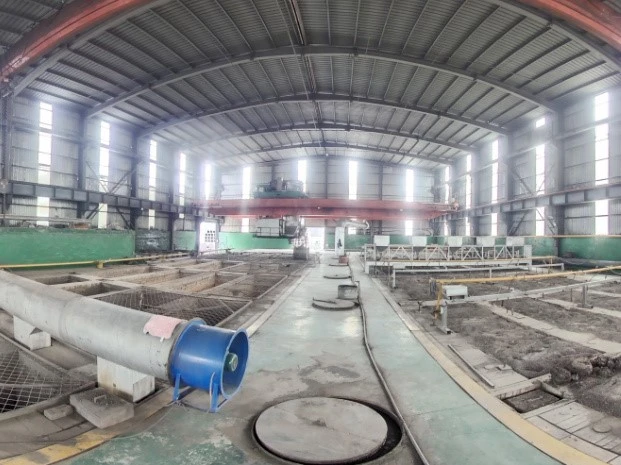
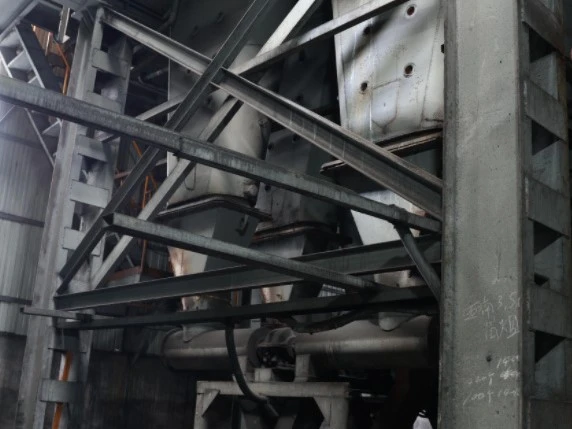
Factory Tour

FAQ
Q: What is the essential relationship between bulk synthetic graphite substrate and synthetic graphite carburizers?
A: Synthetic graphite blanks are upstream basic raw materials. Most commercially available synthetic graphite granular and powdered carburizers are downstream processed products obtained by crushing and screening graphite blanks. The blanks themselves can be directly supplied to carbon processing factories for component fabrication, or further processed into metallurgical carburizers of customized particle sizes upon request. Customers may choose to purchase raw blanks or ready-screened finished carburizers according to their own production capacity.
Q: Why do minor specification fluctuations occur in carburizers processed from different batches, even when produced from synthetic graphite blanks of the same grade?
A: Temperature gradients exist inside graphitization furnaces, resulting in slight differences in heating intensity for blanks at different positions within the furnace. In addition, the proportion of surface impregnated components and internal matrix material changes during crushing and screening. Even if the original blanks are produced from the same furnace run, minor variations in indicators will still appear after subsequent crushing and classification. For bulk procurement, it is recommended to lock the screening process and sampling locations and establish incoming laboratory testing standards.
Q: Synthetic graphite serves as substrate for both refractory and metallurgical industries. What critical points should be noted during discharging and classification?
A: The refractory sector prioritizes thermal expansion and thermal shock resistance, while metallurgical applications focus on controlling sulfur, nitrogen and ash content. Separate production scheduling shall be adopted for crushing operations, and equipment must be cleaned before switching orders to avoid residual material from previous batches mixing into finished products. Warehouse storage shall also be partitioned. If a single production line continuously switches between refractory and metallurgical materials, cross-contamination will easily cause excessive impurities in metallurgical grades.
Q: When purchasing bulk synthetic graphite blanks, what other performance indicators need to be confirmed besides routine physicochemical parameters?
A: In addition to ash and sulfur content, resistivity, bulk density and coefficient of thermal expansion need verification. Internal cracks and cellular pores of the blanks should also be inspected. Blanks with abundant cracks will generate large amounts of ultra-fine powder during subsequent crushing. High porosity will impair later impregnation effects. If customers carry out their own crushing and deep processing, the density of blanks directly determines the quality of final granular finished products.
Q: What are the respective advantages and disadvantages for customers purchasing bulk synthetic graphite blanks for self-crushing and processing, compared with purchasing finished carburizers directly?
A: Purchasing raw blanks for in-house crushing allows independent control over particle size classification and provides potential raw material cost savings for long-term bulk procurement. However, investment in crushing, screening and dust removal equipment, plus laboratory quality control manpower, will increase factory space and operation and maintenance costs. Direct procurement of finished carburizers eliminates the need for deep processing equipment; materials can be put into smelting immediately upon arrival for faster turnover. Nevertheless, adjustments to particle size and specifications are subject to restrictions from upstream manufacturers. Enterprises shall formulate raw material procurement plans based on their production scale.
Hot Tags: artificial graphite, China artificial graphite manufacturers, suppliers, factory