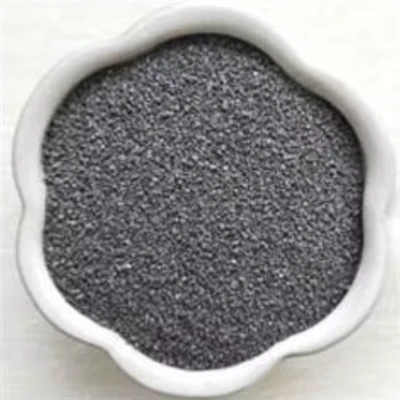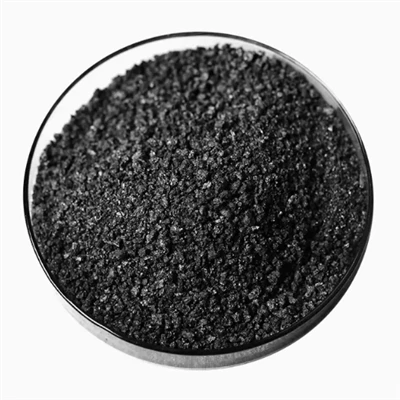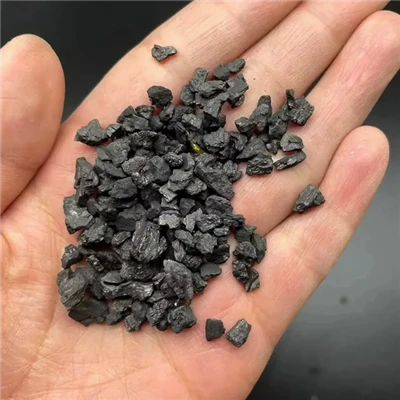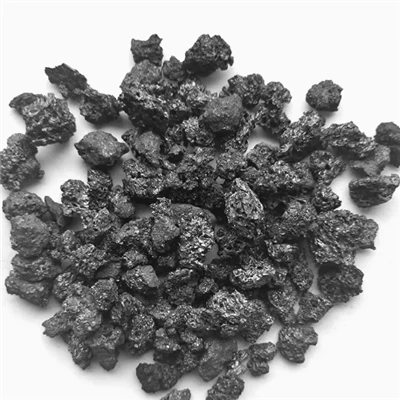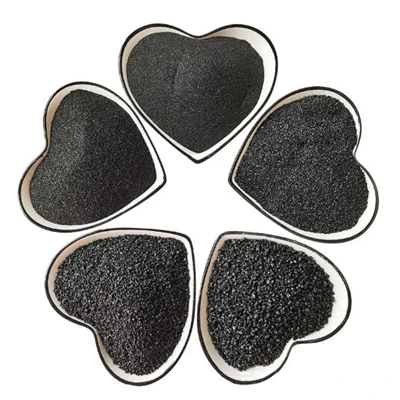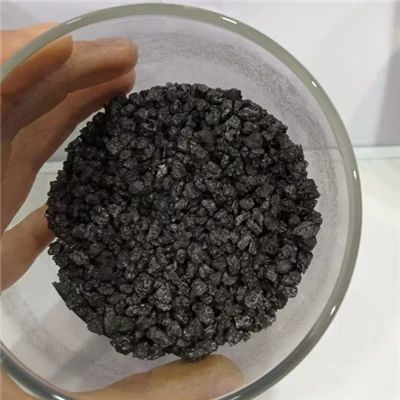


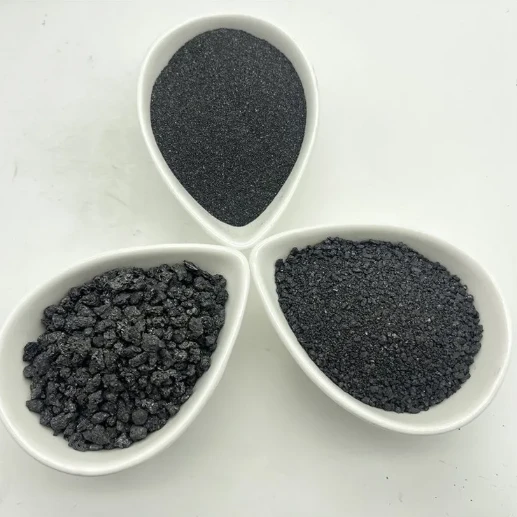


Hebei Fengchao Import and Export Co., Ltd. is one of the most reliable manufacturers and suppliers of artificial graphite carburizer 10-20mm in China. With a professional production team, we are able to meet the needs of the majority of our customers. If you're going to wholesale bulk artificial graphite carburizer 10-20mm made in China, welcome to get pricelist from our factory.
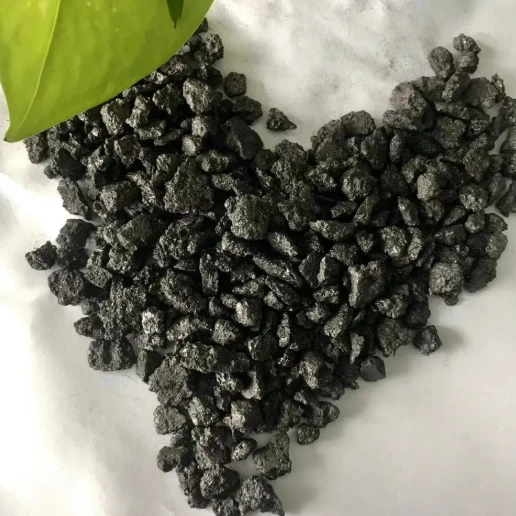
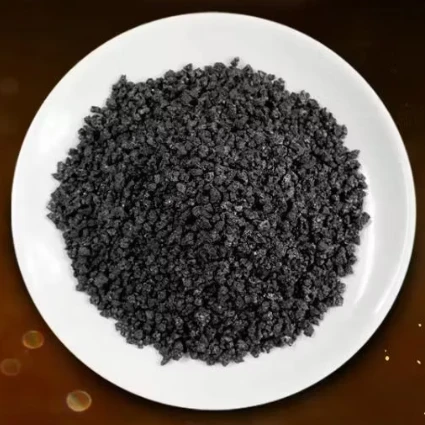
The 10-20mm synthetic graphite carburizer is a large-size graphite granule produced via ultra-high-temperature graphitization, crushing and rigorous sorting. Each granule has substantial self-weight, enabling it to sink rapidly deep into the molten bath and resist drifting entrainment by hot furnace gas. Featuring high fixed carbon, low sulfur and low nitrogen, it suits large-capacity electric arc furnaces operating with large scrap steel charges. Carbon is released continuously and slowly to suppress sudden carbon spikes, helping metallurgical plants stabilize molten bath conditions in large-heat smelting campaigns.
The 10-20mm synthetic graphite carburizer is made from graphitized carbon blocks through controlled crushing and strict classification to retain the coarse particle range of 10-20mm. Compared with medium-sized graphite granules, these coarse lumps have greater individual weight and penetrate directly through surface slag to sink deep into the molten bath upon charging. With high fixed carbon, low sulfur and low nitrogen, the coarse lumps dissolve and release carbon gradually under bath heat rather than melting rapidly. It is mainly designed for large-capacity electric arc furnaces for smelting with bulk scrap steel feed. Carbon is released steadily throughout the melting cycle to avoid abrupt carbon surges, assisting steel workshops to stabilize bath composition and reduce repeated carbon trimming operations for large heats.
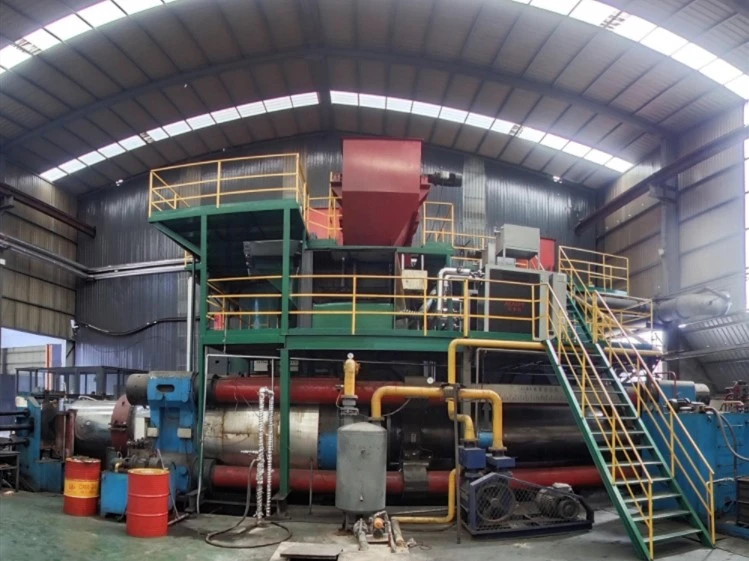
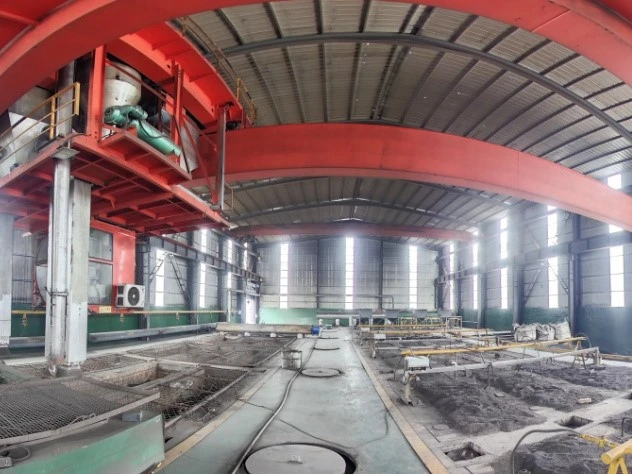
This product adopts graphitized blanks for targeted crushing, screening and dedusting to obtain coarse 10-20mm graphite granules. Fine debris and oversized lumps are intentionally removed to minimize fugitive dust losses during feeding and ensure large pieces penetrate the slag layer and sink into the molten bath after charging. The production technical team strictly controls the quality of graphitized base material and crushing & sorting processes to stably regulate key metallurgical indicators including ash, sulfur and nitrogen. A separate processing and storage zone for coarse material is set up, isolated from fine granular and powdered carburizers. It mainly serves large-scale electric arc furnace steelmaking production lines. Besides routine physicochemical tests, lump size screening and impact crushing resistance tests are added. Samples are retained from each batch for re-inspection. Third-party on-site sampling and laboratory analysis are available for export orders. Benefiting from the high individual lump weight, it delivers slow-release carbon pickup. It is suitable for bottom laying together with heavy scrap steel to mitigate drastic carbon fluctuations during EAF smelting.
Factory Tour

FAQ
Q: In EAF steelmaking, what obvious differences exist in charging practice between 10-20mm coarse synthetic graphite carburizer and the 3-5mm grade?
A: The 10-20mm grade features larger lump size and higher self-weight. It is preferably laid on the very bottom of the furnace, then covered with heavy scrap steel and secured by the weight of scrap. It is suitable for primary carbon addition in the early stage of EAF smelting. The 3-5mm grade can either be laid at the furnace bottom or distributed among middle-layer furnace burdens. The 10-20mm particle size is not recommended for medium-frequency furnaces. Medium-frequency furnaces have shallow molten baths; large lumps require an excessively long dissolution time and tend to leave undissolved graphite residues, leading to distorted assay results.
Q: Why can 10-20mm coarse granules penetrate the slag layer and sink into molten steel more easily?
A: Greater mass per lump delivers stronger inertia, allowing the pieces to break through viscous surface slag as they fall. Medium or fine particles are prone to being trapped inside the slag layer and oxidized after being wrapped by slag. A prerequisite is that excessive slag should not form prematurely in the early smelting stage. If slag builds up too quickly at the beginning, part of the large graphite lumps will still remain in the slag layer and be consumed by oxidation, lowering the carbon absorption rate.
Q: Why do large lumps still generate considerable debris during transportation and repeated forklift handling? How to control the proportion of debris?
A: Synthetic graphite has a layered crystal structure and is relatively brittle. Severe collision between large blocks causes edges and corners to spall off and produce secondary debris. An additional vibrating screening procedure is implemented before shipment to remove crushed fines. Multiple transshipments should be minimized in logistics. After on-site unloading, avoid repeated stockpile turning with forklifts to reduce debris generated by mechanical impact. Customers may specify an upper limit for debris content at the time of order placement.
Q: What major risks should be prevented when warehousing 10-20mm coarse synthetic graphite granules?
A: Indoor dry warehouse storage is preferred to guard against moisture and rain exposure. Even though these are large lumps, excessive stacking height subjects the bottom blocks to heavy compressive stress, causing them to crack and generate large amounts of debris; therefore, stack height must be controlled. Once the material absorbs moisture, instantaneous vaporization upon exposure to high temperature inside the electric arc furnace can easily trigger molten steel splashing. In addition, store separately and avoid co-stacking with anthracite-based carbon materials to prevent cross-contamination which would compromise steelmaking specifications.
Q: For bottom charging of 10-20mm synthetic graphite carburizer in large-capacity EAF steelmaking, what key process points should be noted?
A: After laying the material at the furnace bottom, place heavy large scrap steel on top rather than light thin scrap. Light thin scrap melts too fast, leaving the bottom graphite prematurely exposed to electric arc high temperature and aggravating oxidative burn loss. This grade features slow-release carbon pickup with a low carbon release rate; rapid carbon elevation within a short time cannot be expected. The burn loss coefficient should be properly considered when calculating carbon content in the initial burden formulation. Do not rely on these large lumps for late-stage carbon trimming during tapping, as supplementary addition at this stage will hardly achieve full dissolution.
Hot Tags: artificial graphite carburizer 10-20mm, China artificial graphite carburizer 10-20mm manufacturers, suppliers, factory