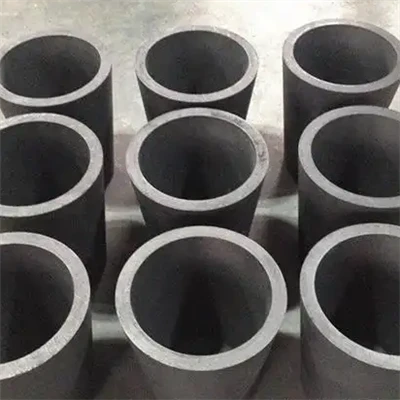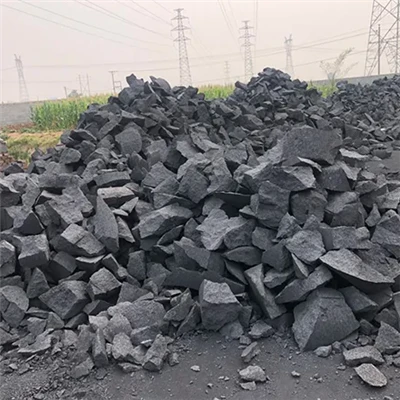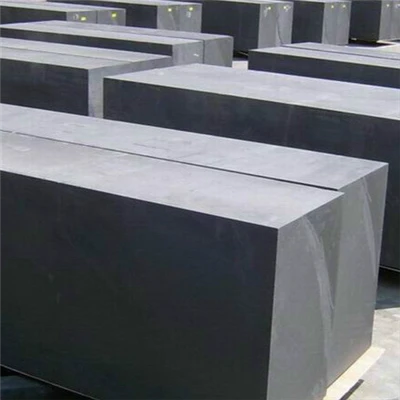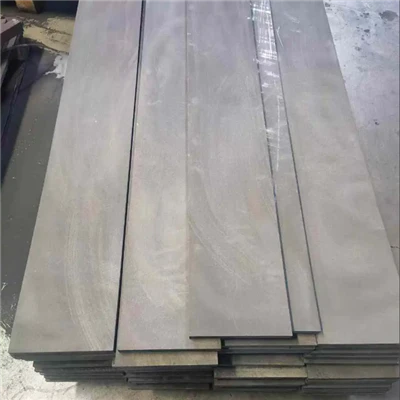


Graphite possesses excellent high-temperature resistance, electrical conductivity, thermal conductivity, and lubricity, making it suitable for various industrial production environments. In high-temperature environments, graphite typically exhibits good thermal stability, especially under vacuum or inert gas protection, making it suitable for high-temperature furnaces, metallurgical crucibles, electrodes, and refractory components. However, graphite oxidizes when heated in air, with the oxidation rate generally accelerating at higher temperatures, making it unsuitable for long-term use in high-temperature, oxygen-rich environments. In environments requiring high electrical and thermal conductivity, graphite also offers significant advantages, finding applications in electric arc furnace electrodes, electronic components, and some heat exchange equipment. Due to the anisotropic nature of graphite's electrical and thermal conductivity, the material's structural orientation, density, and purity must be considered in practical applications to ensure its performance meets the operational requirements of the equipment.
Graphite is also suitable for working environments with a certain degree of friction, wear, and special chemical media. Its layered structure gives it excellent self-lubricating properties, allowing it to be used as a solid lubricant in equipment where liquid lubricants are unsuitable, in applications such as bearings, mechanical seals, and high-temperature operating components. Meanwhile, graphite exhibits a certain degree of resistance to many acids, alkalis, and organic media. Therefore, properly processed graphite materials can be used in chemical equipment, heat exchangers, and corrosion-resistant components. However, it is important to note that graphite is not resistant to all corrosive media. For example, in strong oxidizing acids or other strongly oxidizing environments, graphite may oxidize or corrode. Its actual corrosion resistance is also related to temperature, medium concentration, impurity content, and material structure. Furthermore, in high-humidity environments or environments containing electrolytes, electrochemical corrosion issues must be considered when graphite comes into contact with other metal components. Therefore, when selecting graphite materials, a comprehensive judgment should be made based on the actual working environment, operating temperature, and contact media to fully utilize graphite's performance advantages and extend the service life of equipment.