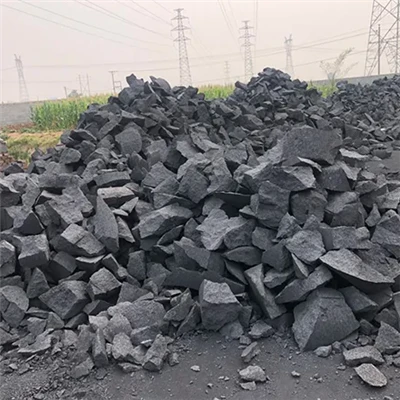

Graphite can be classified in many ways, typically based on its origin, degree of crystallinity, morphological characteristics, and industrial applications. According to its origin, graphite is mainly divided into two categories: natural graphite and synthetic graphite. Natural graphite is a mineral formed from carbon-containing materials in nature through long-term geological processes, mainly including flake graphite, cryptocrystalline graphite, and vein graphite. Flake graphite has a distinct platy crystal structure, a high degree of crystallinity, and good electrical and lubricating properties, commonly used in battery materials, conductive materials, and refractory materials. Cryptocrystalline graphite, also known as earthy graphite, typically has finer crystal grains that are difficult to see with the naked eye, and is mainly used in casting, lubricants, and the production of some refractory materials. Vein graphite mainly exists in the form of veins in rock fissures, usually possessing high crystallinity and good purity, but its resource distribution is relatively limited. Different types of natural graphite differ in their crystal structure, fixed carbon content, impurity composition, and processing properties; therefore, selection must be based on specific applications.
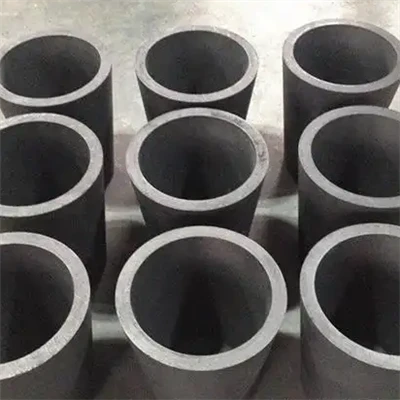
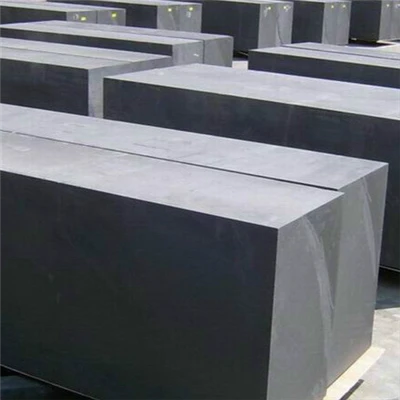
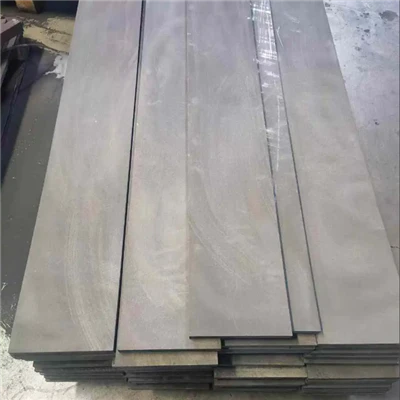
Artificial graphite is a carbon material produced from carbon-containing raw materials such as petroleum coke and pitch coke through processes including molding, calcination, and high-temperature graphitization. Compared to natural graphite, the structure and properties of artificial graphite can be adjusted through raw material ratios and production processes, thus offering greater controllability in industrial production. Based on product form and application, artificial graphite can be further categorized into artificial graphite electrodes, isostatic graphite, graphite blocks, and artificial graphite for batteries. Artificial graphite electrodes are primarily used in high-temperature metallurgical processes such as electric arc furnace steelmaking; isostatic graphite, with its uniform structure and good mechanical properties, can be used in semiconductor manufacturing, photovoltaic production, and high-temperature industrial equipment; and artificial graphite for batteries undergoes specific particle shaping, heat treatment, and surface modification processes to meet the requirements of lithium-ion batteries for capacity, cycle life, and rate performance. Due to the complex production process of artificial graphite, its product performance is closely related to the quality of raw materials, graphitization temperature, and subsequent processing.
In applications, it is also frequently classified according to the morphology and processing method of the graphite. For example, expanded graphite is a material made from natural flake graphite through intercalation and then rapidly heated to expand its volume. It has a large specific surface area and good flexibility, and is often used in sealing materials, flame-retardant materials, and adsorbent materials. Expandable graphite, on the other hand, is a graphite raw material that has undergone chemical intercalation and can expand when heated. Flexible graphite is usually made from expanded graphite through processes such as pressing, and has good sealing and heat resistance properties, widely used in industrial gaskets and equipment seals. Furthermore, based on product purity, graphite can be classified into different grades such as ordinary graphite and high-purity graphite, but the specific classification standards need to be combined with relevant industry specifications and product requirements. Overall, different types of graphite have their own characteristics in terms of structure, purity, processing methods, and performance. Understanding the classification of graphite helps in selecting appropriate graphite materials according to actual production needs.