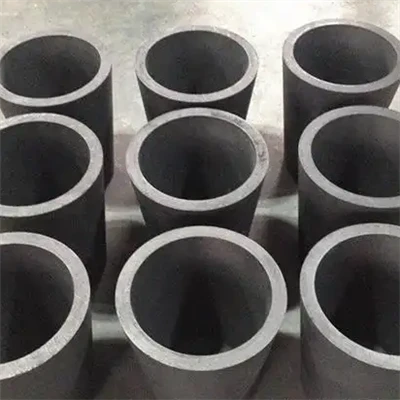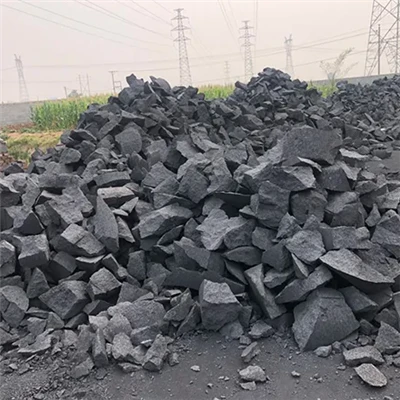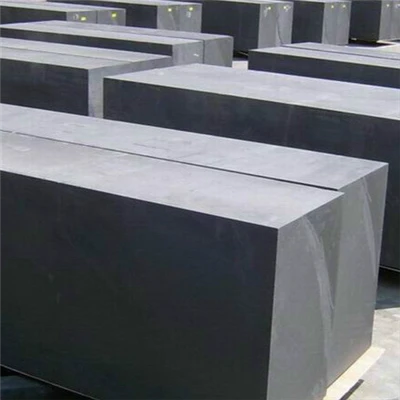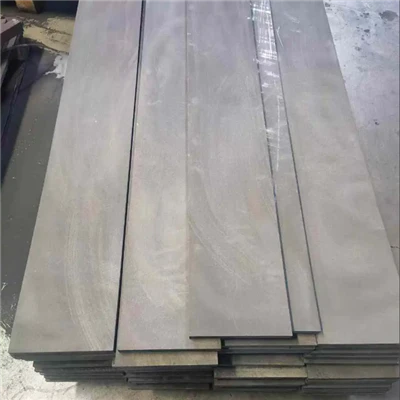


Graphite possesses excellent electrical and thermal conductivity, high-temperature resistance, lubricity, and chemical stability, making it widely applicable in modern industrial production. In metallurgy and refractory materials, graphite is commonly used to manufacture refractory bricks, graphite crucibles, electric furnace electrodes, and related components in high-temperature smelting equipment. Because graphite maintains good structural stability at high temperatures and has strong thermal shock resistance, it is suitable for some high-temperature processing and metal smelting processes. In mechanical manufacturing, graphite can be used as a solid lubricant, particularly suitable for high-temperature, high-pressure, or inconvenient working environments where liquid lubricants are not feasible. The relative sliding between graphite layers effectively reduces frictional resistance and wear on components. Furthermore, graphite can be used to manufacture sealing materials, conductive components, and components for corrosion-resistant equipment, playing a vital role in chemical production, machining, and industrial equipment maintenance.
Graphite's applications in batteries, electrochemistry, and electronic materials are becoming increasingly widespread. Lithium-ion batteries are one of the most important applications of graphite. Due to its stable layered structure and excellent lithium-ion intercalation capability, graphite has become a widely used negative electrode material in commercially available lithium-ion batteries. During battery charging, lithium ions can enter the interlayer structure of graphite; during discharge, lithium ions are released from the graphite and output electrical energy through external circuitry. Graphite can also be used to manufacture electrodes, brushes, and some electronically conductive materials, its excellent conductivity facilitating current transmission. In the chemical industry, graphite can be used to manufacture heat exchangers, reaction equipment, and corrosion-resistant components, utilizing its thermal conductivity and certain chemical corrosion resistance to meet specific production needs. Furthermore, graphite is an important raw material for the preparation of graphene, expanded graphite, and other carbon-based functional materials. With the continuous advancement of materials processing technology, the application of graphite in energy storage devices, energy conservation and environmental protection, advanced manufacturing, and new functional materials continues to expand, and its industrial value and development potential are increasingly recognized.